



Introduction: The Changing Landscape of IT Talent
India’s IT sector has long been a global leader, known for its innovation and talent pool. However, the industry is facing new challenges that require a fresh perspective on talent management. Infosys CTO, during a recent industry event, emphasized the urgent need for evolution in how talent is nurtured, retained, and utilized. This call to action comes at a time when technologies like artificial intelligence, blockchain, and quantum computing are reshaping the sector.
The Growing Need for Skilled Talent

Why the Current Approach is Insufficient
Like many industries, the IT sector in India relies heavily on a steady stream of skilled professionals. However, the traditional models of training and recruitment are struggling to keep up with the fast-paced advancements in technology. For example, emerging technologies demand niche skills that require continuous learning and upskilling. Therefore, organizations need to adopt more flexible and forward-looking strategies to bridge the talent gap effectively.
The Importance of Upskilling
The CTO stressed that upskilling is not just an option but a necessity. Because technologies evolve so rapidly, employees must constantly enhance their skill sets. Companies, like Infosys, are now investing heavily in learning platforms and certification programs. This proactive approach ensures that employees remain competitive and ready to address future challenges.
Leveraging Technology in Talent Management

Digital Platforms for Recruitment
Digital transformation is not only shaping how businesses operate but also redefining recruitment strategies. For example, Infosys has adopted AI-driven platforms that identify the best candidates by analyzing their skills, experience, and potential. Because these platforms are data-driven, they minimize biases and improve the accuracy of hiring decisions.
AI and Employee Engagement
Employee engagement is another critical aspect that needs attention. So, Infosys is leveraging artificial intelligence to create personalized employee experiences. These tools can predict job satisfaction levels, recommend learning paths, and even suggest career growth opportunities, making the workforce more engaged and productive.
Addressing Retention Challenges
Building a Culture of Innovation
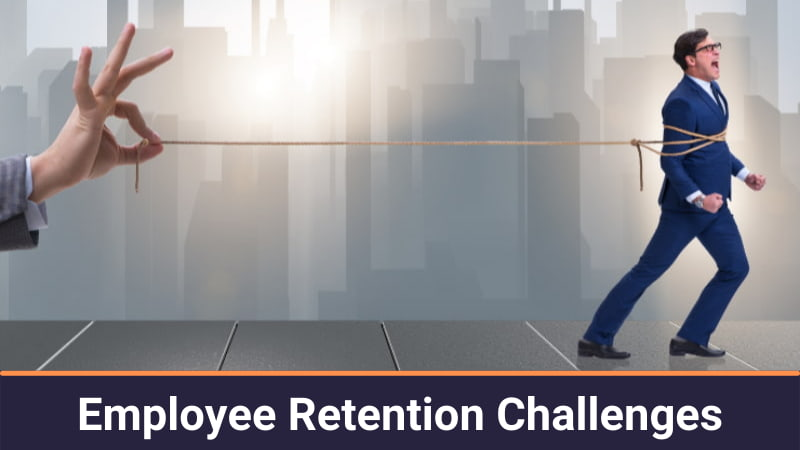
Retention has always been a significant challenge in the IT sector. The CTO pointed out that organizations must create a culture of innovation and inclusivity to retain top talent. For example, offering employees opportunities to work on cutting-edge projects can increase job satisfaction. Therefore, companies that foster creativity and provide a clear career growth path are more likely to retain their workforce.
Flexibility and Hybrid Work Models
Another key takeaway was the importance of flexibility in the workplace. Because the pandemic accelerated the adoption of hybrid work models, employees now expect greater autonomy. Infosys has embraced this shift by offering flexible work arrangements, which have helped in improving both employee satisfaction and productivity.
The Future of Talent Management
Collaboration Between Industry and Academia
The CTO also highlighted the importance of collaboration between the IT industry and academic institutions. For example, Infosys has partnered with universities to co-create specialized courses on emerging technologies. Because this ensures a steady pipeline of skilled talent, it benefits both students and organizations.
A Roadmap for Sustainable Growth
To conclude, the evolution of talent management is not just about addressing current challenges but also preparing for a sustainable future. Therefore, companies must align their talent strategies with their long-term business goals. As the CTO aptly summarized, “The future of the IT sector depends on how well we manage and nurture our most valuable resource – our people.”
Conclusion: A Call for Immediate Action
The Infosys CTO’s insights serve as a wake-up call for India’s IT sector. Like any other transformation, the evolution of talent management requires strategic planning, investment in technology, and a commitment to continuous improvement. Because the stakes are high, companies must act now to ensure their workforce is ready to lead the way in a rapidly changing world.