



In a significant move aimed at addressing growing economic concerns, Venezuela has announced a 26% increase in its minimum wage package, highlighting the government’s efforts to ease financial pressure on citizens amid ongoing economic instability.
Key Highlights of the Wage Increase
The announcement was made by acting president Delcy Rodríguez, who confirmed that the country’s “integral minimum income” will rise from approximately $190 to $240 per month.
This increase is being described as one of the most notable wage adjustments in recent years, especially as the country continues to battle inflation and declining purchasing power.
Understanding the ‘Integral Minimum Income’
Unlike traditional wage structures, Venezuela’s minimum income system includes a combination of base salary and government bonuses.
- The base salary remains extremely low, often just a few cents in dollar terms.
- The majority of workers’ earnings come from bonuses such as food allowances and economic support payments.
This structure has drawn criticism, as bonuses typically do not contribute to long-term benefits like pensions or severance pay.
Economic Context Behind the Decision
The wage hike comes at a time when Venezuela is facing:
- High inflation rates, which continue to erode purchasing power
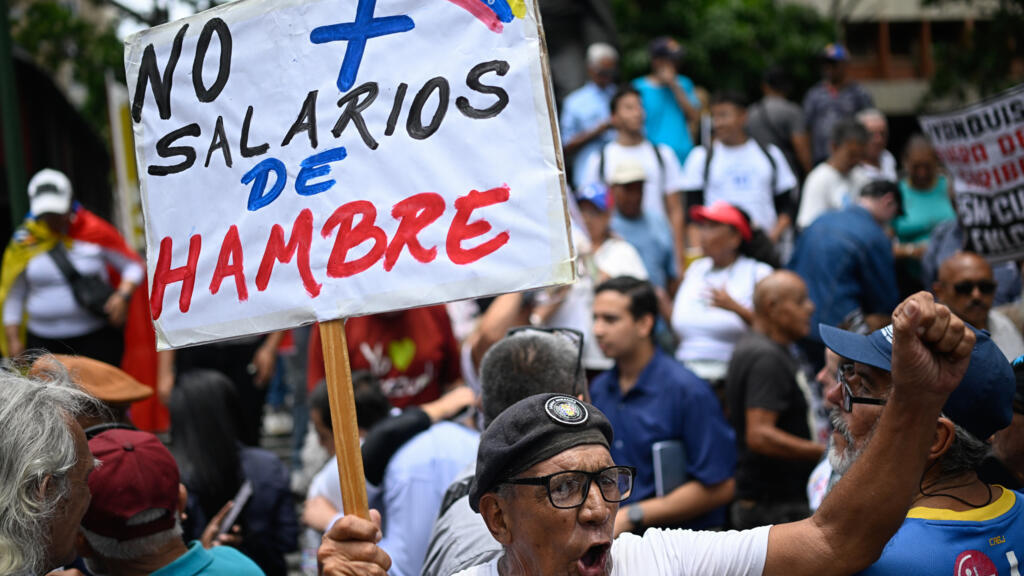
- Rising public dissatisfaction and protests over living conditions
- A prolonged period of stagnant wages, with no major revisions since 2022
The government hopes that this increase will help stabilize household incomes and reduce social unrest.
Is the Increase Enough?
While the 26% hike may provide short-term relief, experts argue that it may not be sufficient.
Reports indicate that the updated monthly income of $240 still falls short of the basic cost of living, which is significantly higher in the country.
Additionally, since the increase largely relies on bonuses rather than base salary adjustments, concerns remain about its long-term sustainability and impact on workers’ financial security.
Government’s Broader Economic Strategy
The administration has positioned this wage increase as part of a larger effort to revive the economy, attract investment, and improve living standards.
However, structural challenges such as inflation, currency instability, and reliance on subsidies continue to pose significant hurdles.
Conclusion

Venezuela’s 26% minimum wage increase reflects a critical attempt to address economic hardship, but it also underscores deeper systemic issues within the country’s labor and compensation framework.
While the move may ease immediate pressure on workers, sustainable economic reforms and stable wage policies will be essential for long-term recovery.