




Introduction to Navratri
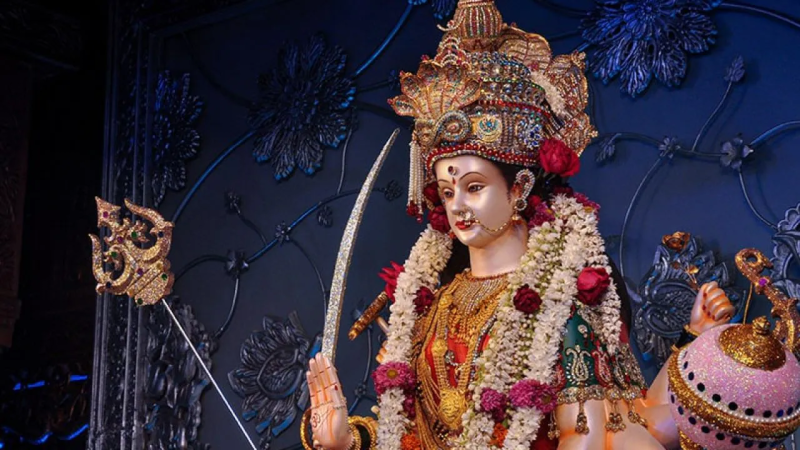
Navratri, one of the most significant festivals in India, is celebrated with immense enthusiasm and devotion. Derived from Sanskrit, the word “Navratri” means “nine nights,” symbolizing the nine-day festival dedicated to the worship of Goddess Durga and her nine forms. It is celebrated in different ways across India, reflecting the country’s diverse traditions and customs. Because of its cultural significance, Navratri brings together communities to honor the divine feminine, celebrate victory over evil, and rejoice in vibrant festivities.
The Spiritual Significance of Navratri
The spiritual aspect of Navratri is deeply rooted in the triumph of good over evil. Each day is dedicated to a different form of Goddess Durga, representing the universal energy that protects and nurtures the world. For instance, the first three days are devoted to Durga, the next three to Lakshmi, and the final three to Saraswati, symbolizing strength, wealth, and wisdom, respectively. Therefore, Navratri is not just about rituals but also a time for personal reflection and inner growth.
Regional Variations of Navratri Celebrations
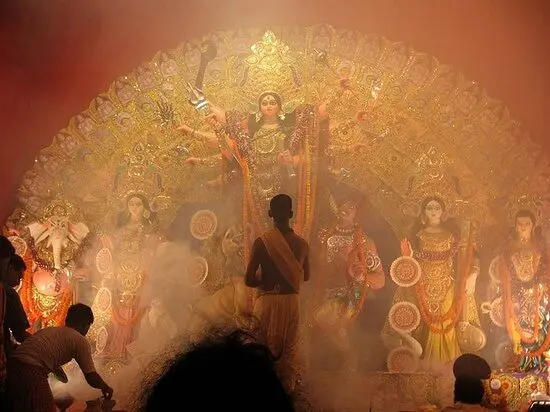
While Navratri is celebrated across India, each region adds its unique flavor to the festivities. In Gujarat, for example, the festival is synonymous with Garba and Dandiya, vibrant folk dances performed to traditional music. In contrast, West Bengal celebrates Durga Puja with grand pandals, artistic idols, and cultural performances. So, whether you’re in the North, South, East, or West of India, Navratri offers a blend of devotion, art, and culture that varies from place to place, making it a truly pan-Indian celebration.
Navratri Rituals and Practices
During the nine days, devotees observe various rituals, including fasting, special prayers, and offerings to the goddess. Many people also decorate their homes with colorful rangoli and light lamps to welcome prosperity. Because each day is dedicated to a specific form of the goddess, the rituals are often accompanied by chants, bhajans, and storytelling sessions that recount the stories of Durga’s victories. These practices help devotees feel more connected to the divine and instill a sense of unity within families and communities.
The Cultural Extravaganza of Garba and Dandiya

One of the most anticipated parts of Navratri is the Garba and Dandiya nights, especially in Gujarat and Maharashtra. Garba, a traditional dance form, is performed in a circular motion around a central lamp or an image of Goddess Durga. Similarly, Dandiya is a dance that involves pairs using decorated sticks to create rhythmic beats. Therefore, these dance forms are not just entertaining but also deeply symbolic, representing the eternal cycle of life and the interplay of divine forces. Because of their energetic nature, these dances attract people of all ages and backgrounds.
Food and Fasting During Navratri
Navratri is also known for its unique fasting traditions. Many people observe fasts for nine days, eating only specific foods such as fruits, nuts, and dairy products. The consumption of grains, meat, and certain spices is avoided as part of the religious observance. However, these restrictions have led to the creation of delicious, innovative fasting recipes. So, while fasting is a spiritual practice, it is also a culinary journey, with each region offering its own Navratri specialities like sabudana khichdi, kuttu puri, and aloo chaat.
The Role of Women in Navratri
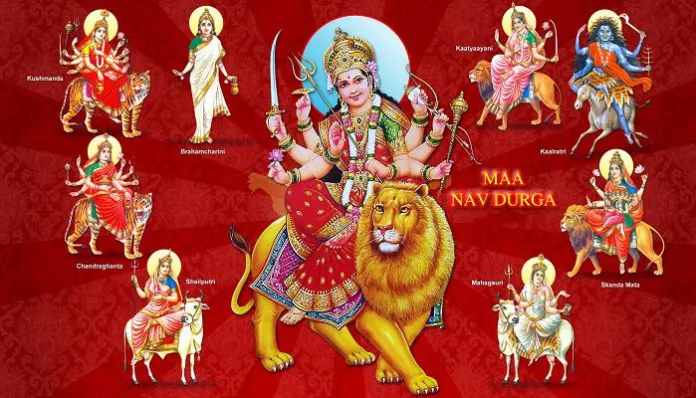
Navratri is especially significant for women, as the festival celebrates the feminine aspect of divinity. Many women take a lead role in organizing prayers, preparing offerings, and performing rituals. In some parts of India, young girls, seen as embodiments of the goddess, are worshipped in a special ritual known as “Kanya Puja.” Because Navratri is a festival honoring female power, it highlights the importance of women in both the religious and social spheres, fostering a sense of respect and equality.
Modern-Day Navratri: A Blend of Tradition and Contemporary Celebrations
In recent years, Navratri has evolved to incorporate modern elements while still maintaining its traditional roots. Today, many urban areas organize large-scale Garba and Dandiya events that attract celebrities and use modern music and lighting. Therefore, Navratri has become not only a religious festival but also a cultural event that bridges the gap between generations. Whether in villages or cities, the spirit of Navratri remains the same—one of joy, togetherness, and devotion.
Conclusion: The Enduring Spirit of Navratri

Navratri is a time of unity, devotion, and celebration. Its rich blend of rituals, dance, music, and food reflects the diverse cultural heritage of India. So, as we celebrate Navratri year after year, we are reminded of the values it upholds—resilience, faith, and the triumph of good over evil. Because of its universal themes, Navratri continues to inspire people across the world, fostering a deep sense of community and connection to tradition.


