




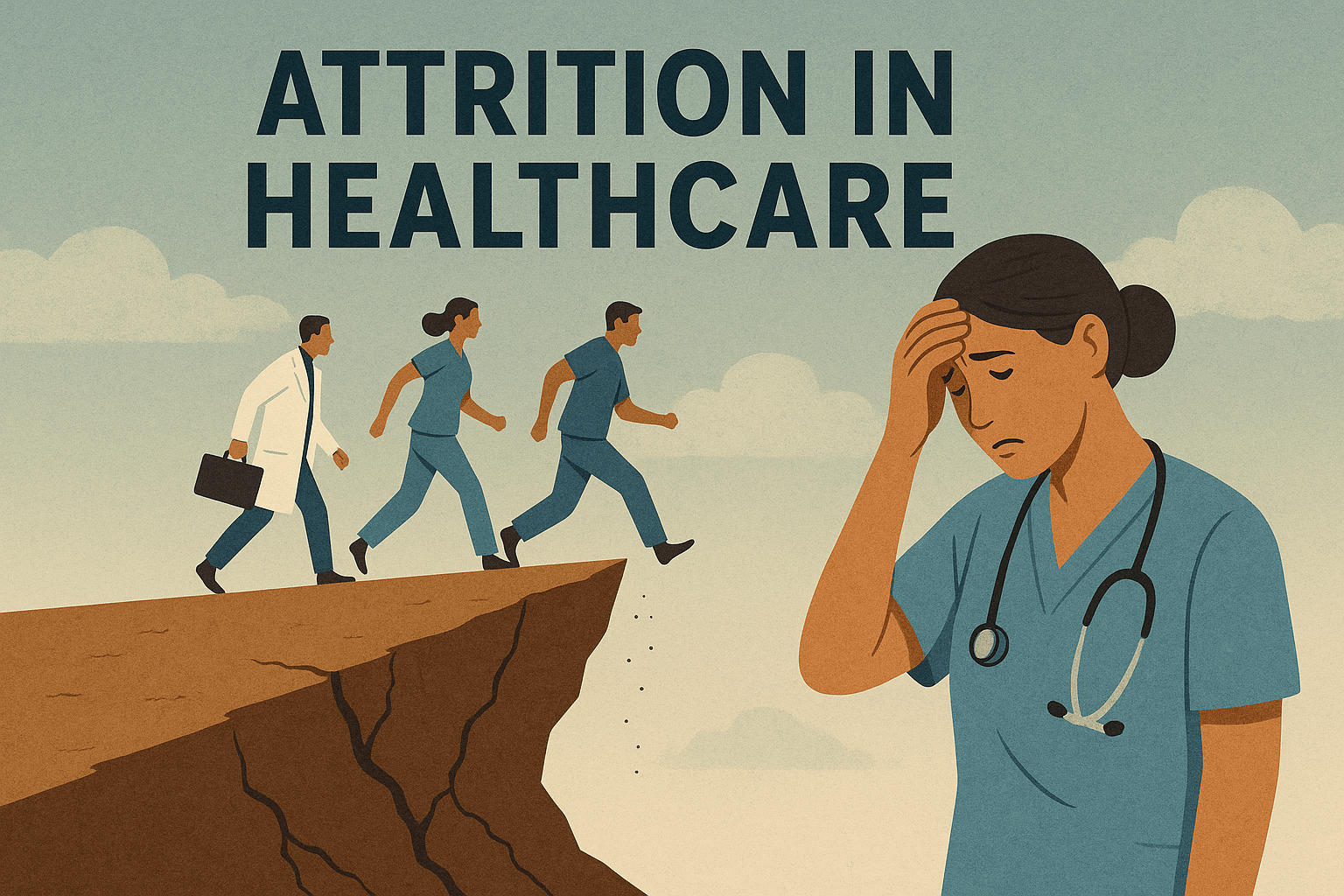
India’s healthcare sector is facing a growing challenge: rising attrition among entry-level doctors and an acute shortage of support staff. Corporate hospitals, which play a critical role in delivering quality healthcare, are now being forced to rethink their workforce strategies to ensure continuity of care and operational efficiency.
The Growing Attrition Challenge
Over the past few years, attrition among junior doctors has increased significantly. Entry-level professionals, often burdened with long working hours, high stress, and relatively lower compensation compared to expectations, are opting for alternative career paths or higher education opportunities. Many are also exploring opportunities abroad, where pay scales and work-life balance tend to be more favorable.
This shift has created a gap at the foundational level of hospital operations, where junior doctors are essential for handling day-to-day patient care, emergency support, and clinical coordination.
Shortage of Support Staff
Alongside doctor attrition, hospitals are also grappling with a shortage of trained support staff, including nurses, technicians, and administrative personnel. These roles are vital for maintaining smooth hospital operations, yet they often face similar issues—long hours, limited growth opportunities, and burnout.
The pandemic further intensified this problem, pushing many healthcare workers to leave the profession due to physical and emotional exhaustion.
Strategic Measures by Corporate Hospitals
To tackle these challenges, corporate hospitals are implementing several innovative strategies:
1. Improved Compensation and Benefits
Hospitals are revising salary structures and offering performance-based incentives to retain talent. Additional perks such as health insurance, accommodation, and wellness programs are also being introduced.
2. Focus on Work-Life Balance
Recognizing burnout as a major cause of attrition, hospitals are restructuring shifts, ensuring adequate rest periods, and promoting a healthier work environment.
3. Career Development Opportunities
Training programs, upskilling initiatives, and clear career progression paths are being introduced to keep employees engaged and motivated. Many hospitals are partnering with educational institutions to provide continuous learning opportunities.
4. Technology Integration
Automation and digital tools are being used to reduce administrative burdens on doctors and staff. This allows healthcare professionals to focus more on patient care rather than paperwork.
5. Strengthening Recruitment Pipelines
Hospitals are building stronger relationships with medical colleges and training institutes to ensure a steady inflow of fresh talent. Internship and residency programs are also being enhanced to attract young professionals.
The Road Ahead

Addressing attrition and staffing shortages is not just about hiring more people—it requires a fundamental shift in how healthcare organizations manage and value their workforce. Corporate hospitals must continue to invest in employee well-being, professional growth, and workplace culture to remain competitive in attracting and retaining talent.
As the demand for quality healthcare continues to rise, the ability of hospitals to build a resilient and satisfied workforce will be key to sustaining long-term growth and delivering exceptional patient care.


