




Introduction
In today’s fast-changing business landscape, uncertainty has become a constant challenge for organizations. Market disruptions, evolving technologies, shifting workforce expectations, and global economic changes make leadership more complex than ever before. While leadership frameworks have long been used to guide managers and executives in decision-making, many of these models begin to break down when situations become unpredictable and ambiguous.
Leadership frameworks are typically designed for structured environments where problems are clearly defined and outcomes can be anticipated. However, uncertain situations rarely follow predictable patterns. As a result, leaders often find that rigid frameworks are not enough to guide them through complex and rapidly evolving challenges.
The Limitations of Traditional Leadership Frameworks
Most leadership frameworks are built around structured thinking, strategic planning, and defined processes. They assume that leaders have access to sufficient information and that decisions can be made through logical analysis. In stable conditions, these frameworks can provide clarity and direction.
However, uncertain environments rarely offer complete information or clear cause-and-effect relationships. Leaders may face situations where data is incomplete, stakeholders have conflicting expectations, and outcomes remain unpredictable. In such scenarios, strictly following a fixed framework can slow down decision-making and reduce a leader’s ability to adapt quickly.
The Impact of Rapid Change
Organizations today operate in environments that evolve rapidly. Technological innovations, changing consumer behaviors, and global competition create challenges that shift constantly. What worked successfully in the past may no longer be effective in the present.
Leadership frameworks often emphasize consistency and control, but uncertain situations require flexibility and experimentation. Leaders must be willing to test new approaches, learn from mistakes, and adjust strategies continuously. When leaders rely too heavily on established frameworks, they may miss emerging opportunities or fail to respond effectively to sudden disruptions.
Human Emotions and Organizational Dynamics
Uncertainty not only affects business strategies but also has a significant impact on people within the organization. Employees facing unpredictable conditions may experience anxiety, confusion, and reduced confidence in leadership. During such times, leadership is not only about strategy but also about emotional intelligence and trust-building.
Leadership frameworks tend to focus on processes and structures, yet effective leadership during uncertain times requires empathy, communication, and transparency. Leaders must provide reassurance, listen actively to employee concerns, and create a culture of psychological safety where teams feel comfortable sharing ideas and challenges.
The Importance of Adaptive Leadership
To navigate uncertain environments successfully, leaders must embrace adaptive leadership. This approach focuses on learning, collaboration, and resilience rather than rigid adherence to predefined models.
Adaptive leaders continuously observe changes in their environment, gather diverse perspectives, and adjust their decisions based on new information. They encourage experimentation, empower their teams to contribute ideas, and foster a culture where learning from failure is accepted as part of innovation. This flexibility allows organizations to respond more effectively to ambiguity and complexity.
Preparing Leaders for an Uncertain Future
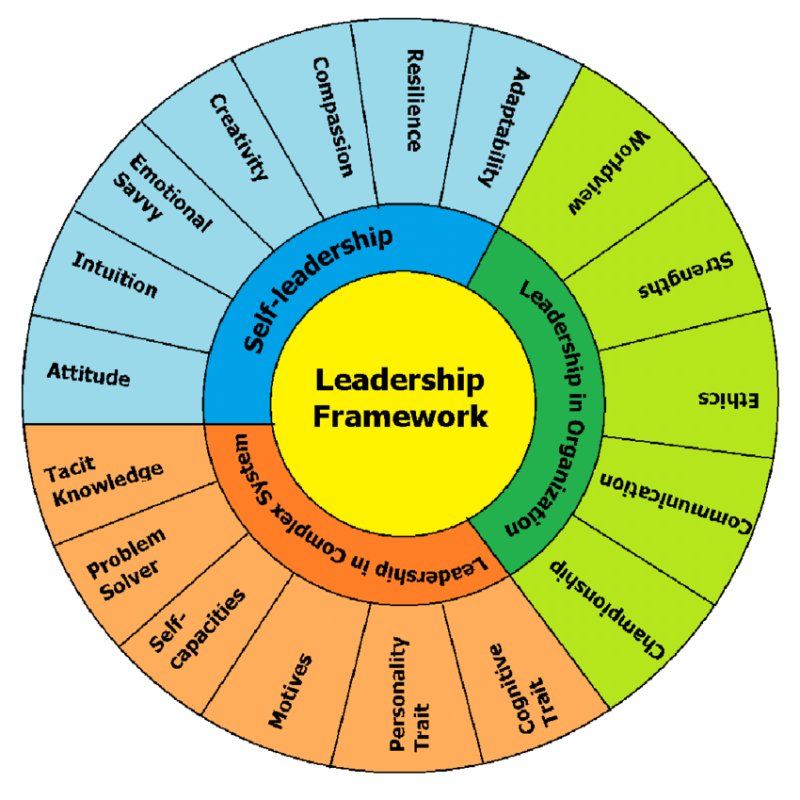
The future of leadership requires a balance between structured thinking and adaptability. While frameworks can still offer useful guidance, they should be treated as tools rather than strict rules. Effective leaders know when to follow established models and when to rely on intuition, collaboration, and creativity.
Organizations must also invest in developing leadership capabilities that support adaptability. Skills such as critical thinking, emotional intelligence, resilience, and collaborative decision-making are becoming increasingly important. Leadership development programs should prepare leaders to navigate ambiguity rather than simply teaching them to follow traditional management models.
Conclusion
Uncertainty is an unavoidable part of modern leadership. While leadership frameworks provide valuable foundations, they often struggle when faced with rapidly changing and ambiguous situations. Successful leaders recognize the limitations of rigid models and focus instead on adaptability, learning, and human connection.
By embracing flexibility and fostering a culture of innovation, leaders can guide their organizations through uncertainty with confidence. In a world where change is constant, the ability to adapt quickly and lead with empathy may be the most important leadership skill of all.