






Rethinking the Role of AI in Performance Management
As artificial intelligence (AI) and algorithms become more embedded in workplace tools, companies are reimagining how performance management should evolve. Instead of using algorithms to make final decisions on promotions, raises, or career trajectories, many forward-thinking organizations are leveraging them as a starting point for meaningful performance conversations—not the end of the line.

From Data-Driven Decisions to Human-Centered Dialogue

The Old Model: Rating Employees by the Numbers
Traditional performance systems often relied heavily on rankings, numeric ratings, and rigid evaluation cycles. In many cases, algorithms were introduced to standardize performance scoring, reduce bias, and increase objectivity. However, over time, companies realized that over-reliance on algorithmic outputs risks ignoring the human context—like personal challenges, evolving responsibilities, or intangible contributions such as collaboration and innovation.
The Shift: Algorithms as Insight Tools
Now, leading organizations are using algorithms to flag trends, identify blind spots, and highlight anomalies, rather than act as decision-makers. These systems can surface patterns such as:
- Declines in productivity over a period
- High-performing individuals who aren’t being recognized
- Team dynamics affecting performance
The goal is to prompt managers and employees to engage in more thoughtful, evidence-backed conversations, instead of blindly following data-driven verdicts.
Why Dialogue Matters More Than Data Alone
Human Insight Can’t Be Replaced
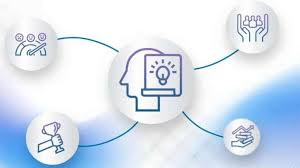
While AI can process large volumes of data, it lacks context. An employee might have underperformed due to a health issue, a challenging project, or even unclear KPIs. Conversations help uncover these nuances and support a more balanced evaluation.
Encouraging Growth, Not Fear
When employees know that algorithms are being used to start conversations—not end them—they’re more likely to engage openly in performance discussions. This builds a culture of:
- Trust over surveillance
- Feedback over fear
- Development over judgment
It also enables HR and managers to use data as a tool to coach, mentor, and support career growth, not just measure it.
The Future: AI as an Assistant, Not a Judge
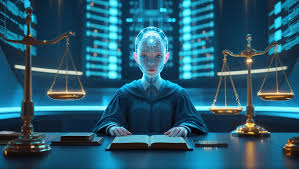
The most progressive companies are approaching performance tech with a hybrid mindset—automation with empathy. AI tools are becoming more integrated into HRTech platforms that:
- Suggest coaching tips for managers
- Identify reskilling needs
- Recommend personalized learning paths based on performance gaps
- Flag unconscious bias in evaluations
This allows performance management to become a dynamic, real-time, and human-centered process—shifting from annual reviews to ongoing development journeys.
Conclusion

Algorithms are powerful, but they shouldn’t dictate careers. By using them to spark performance conversations rather than finalize decisions, companies are creating a more inclusive, transparent, and empowering culture. The future of performance management lies in blending data-driven insights with human judgment—where algorithms support the narrative, not write it.