




The world of human resources is evolving at an unprecedented pace. In 2025, HR leaders find themselves at the intersection of rapid technological advancement, shifting workforce expectations, and increasing demands for ethical and inclusive practices. From artificial intelligence to Gen Z integration, the future of HR is being reshaped—and fast.
AI Is Not Just a Tool—It’s a Talent Game-Changer

Artificial Intelligence (AI) is no longer a buzzword—it’s a core part of how forward-thinking HR teams function. From resume screening and skill assessments to personalized learning and predictive attrition analysis, AI is optimizing how organizations attract, retain, and develop talent.
However, while the benefits of AI are vast, it’s essential to remember that algorithms must assist, not replace, human judgment. HR leaders are now prioritizing responsible AI adoption, ensuring transparency, reducing bias, and keeping human oversight at the forefront of decision-making.
Addressing Ageism and Bias in Algorithmic Hiring

As AI gains traction in recruitment, concerns about fairness have also grown. One prominent issue is ageism—the unintentional bias against experienced candidates due to algorithmic filters.
To counter this, organizations are:
- Conducting regular audits of AI tools
- Diversifying data sets used to train models
- Educating HR teams on spotting and correcting bias
This ensures that AI empowers equity rather than amplifying existing inequalities.
Gen Z Is Redefining the Employee Experience

With Gen Z steadily entering the workforce, companies are realizing the need to personalize the employee experience. This generation values flexibility, mental health support, continuous learning, and purpose-driven work.
To meet these expectations, HR departments are:
- Offering hybrid and remote work options
- Integrating wellness programs into daily workflows
- Providing AI-powered mentorship and career planning tools
Gen Z wants more than a job—they seek growth, autonomy, and meaningful impact.
The Rise of Skills-Based Hiring and Agile Teams
Rigid job titles are becoming a thing of the past. Instead, HR is shifting toward skills-based hiring and team agility. Rather than focusing solely on qualifications and past roles, companies now assess potential and transferable skills.
This trend promotes:
- Greater workforce mobility
- Reskilling and upskilling initiatives
- Talent redeployment across functions
This agile mindset makes companies more resilient in the face of economic and technological change.
Wellness Tech Is Becoming a Core HR Function
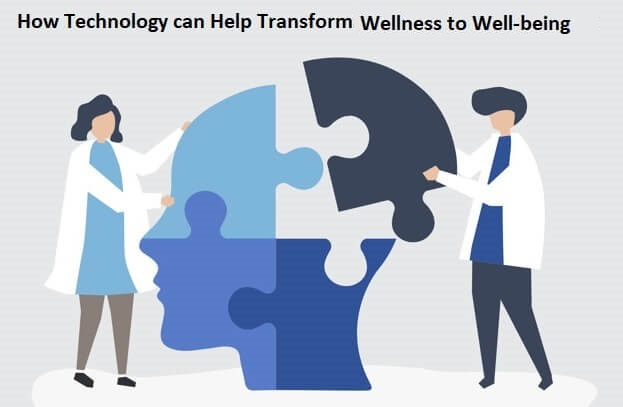
While AI improves productivity, it can also increase stress, burnout, and privacy concerns. That’s why employee well-being has become a central HR priority.
Forward-thinking companies are:
- Using tech tools to track emotional wellness
- Setting healthy boundaries in hybrid setups
- Creating psychologically safe work environments
This balanced approach protects both performance and people.
The New HR Playbook: High-Tech, High-Touch
The future of HR lies in harmonizing digital innovation with human empathy. It’s not about choosing between tech and people—it’s about using tech to support people.
The new HR mantra includes:
- Human-led decisions, tech-supported processes
- Ongoing, embedded learning rather than episodic training
- Culture-first thinking in every policy and program
Conclusion

As we move deeper into 2025, the role of HR has never been more critical—or more complex. Companies that embrace emerging trends with ethical grounding and human focus will not only attract top talent but also future-proof their organizations.
In this era of disruption, HR isn’t just adapting—it’s leading the transformation.

