




Introduction
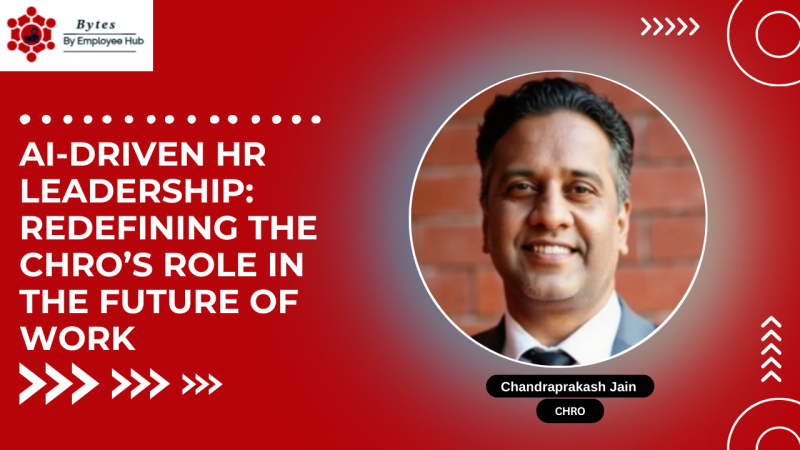
This article is written by Chandraprakash Jain, a CHRO who strongly believes that the future of HR lies at the intersection of technology, empathy, and strategic leadership. As organizations navigate rapid digital transformation, AI-driven HR is no longer a concept of the future—it is a present-day reality reshaping how people, performance, and culture are managed.
The Rise of AI in Human Resources
Artificial Intelligence has moved beyond automation and entered the core of HR decision-making. From predictive hiring and workforce planning to engagement analysis and performance insights, AI is enabling HR leaders to shift from reactive processes to proactive people strategies.
For today’s CHRO, AI is not about replacing human judgment, but about augmenting it with data-driven intelligence that improves accuracy, speed, and fairness.
The Evolving Role of the CHRO
The modern CHRO is no longer limited to policy, compliance, or administration. The role has evolved into that of a business strategist, culture architect, and digital change leader. AI empowers CHROs to:
- Anticipate talent gaps before they impact growth
- Design personalized employee experiences at scale
- Enable leadership teams with real-time workforce insights
- Drive productivity while maintaining employee well-being
This shift positions HR as a central pillar in organizational decision-making.
AI-Powered Talent Acquisition and Workforce Planning
Recruitment is one of the most visible areas of AI impact. Intelligent sourcing, resume screening, and skill-matching tools have significantly reduced time-to-hire while improving quality of talent.
Beyond hiring, AI supports strategic workforce planning by analyzing attrition trends, future skill requirements, and internal mobility opportunities. This allows organizations to prepare for change rather than react to it.
Enhancing Employee Experience Through Technology
Employee experience has become a key differentiator in today’s talent market. AI-driven HR platforms enable personalized learning paths, real-time feedback, and smarter engagement initiatives.
Chatbots, self-service portals, and sentiment analysis tools help HR teams stay connected to employees while ensuring faster resolution of queries and concerns—creating a more responsive and inclusive workplace.
Ethics, Trust, and the Human Touch
While AI brings efficiency, responsible adoption is critical. CHROs must ensure ethical AI usage, data privacy, and transparency in decision-making. Trust remains the foundation of strong workplace culture, and technology should reinforce—not weaken—that trust.
Balancing automation with empathy is what will define successful HR leadership in the AI era.
Preparing Organizations for the Future of Work
The future of work demands agility, continuous learning, and resilient leadership. CHROs must focus on reskilling, digital readiness, and building cultures that embrace change.
AI is a powerful enabler, but people remain the heart of every organization. The true success of AI-driven HR lies in its ability to empower employees, not just optimize processes.
Conclusion

AI-driven HR leadership is redefining what it means to be a CHRO in today’s dynamic business environment. As organizations scale and evolve, HR must lead with insight, innovation, and integrity.
For leaders like Chandraprakash Jain, the future of HR is not just digital—it is human-led, data-informed, and purpose-driven.