




Artificial Intelligence (AI) is no longer a futuristic concept—it’s a present-day reality reshaping how organizations operate. From streamlining repetitive tasks to enabling smarter decision-making, AI is transforming workplaces across industries. However, its true impact lies not just in automation, but in how organizations reskill their workforce and build trust among employees.
The Rise of Automation in the Workplace
Automation is one of the most visible applications of AI. It allows businesses to handle repetitive, time-consuming tasks with speed and accuracy.
AI-powered tools can:
- Automate data entry and administrative processes
- Enhance customer service through chatbots
- Improve decision-making with predictive analytics
This shift enables employees to focus on higher-value tasks such as strategy, creativity, and problem-solving. Rather than replacing jobs entirely, automation is redefining roles and responsibilities.
The Need for Reskilling and Upskilling
As AI changes job requirements, the demand for new skills is growing rapidly. Organizations must invest in reskilling and upskilling their workforce to stay competitive.
Key areas of focus include:
- Digital literacy and data analysis
- AI and machine learning basics
- Critical thinking and adaptability
Employees who embrace continuous learning are better positioned to thrive in an AI-driven environment. For companies, building structured learning programs ensures a smoother transition and long-term growth.
Building Employee Trust in AI
Despite its benefits, AI adoption often raises concerns among employees—particularly around job security and transparency.
To build trust, organizations should:
- Communicate openly about how AI will be used
- Involve employees in AI implementation processes
- Ensure ethical use of AI and data privacy
- Highlight how AI supports—not replaces—human work
Trust grows when employees feel informed, included, and empowered rather than threatened.
Balancing Technology and Human Potential
The most successful workplaces are those that strike a balance between technology and human capabilities. AI can handle efficiency and scale, while humans bring creativity, empathy, and innovation.
Organizations that:
- Integrate AI thoughtfully
- Invest in people development
- Foster a culture of learning
will be better equipped to unlock the full potential of both technology and their workforce.
Conclusion
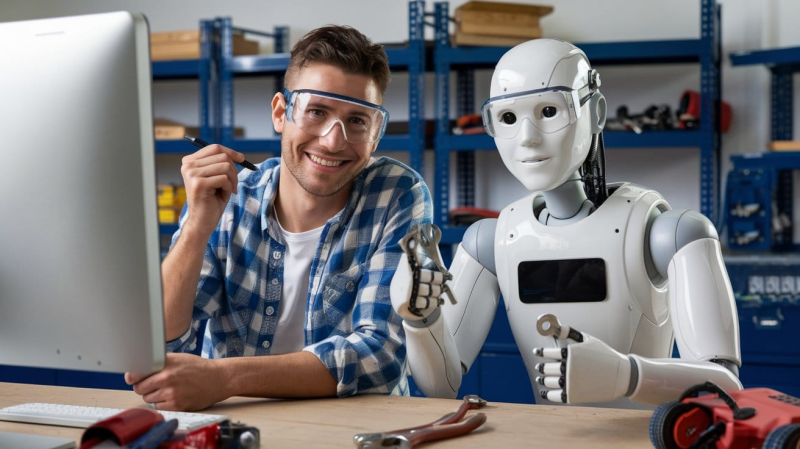
AI in the workplace is not just about automation—it’s about transformation. By focusing on reskilling employees and building trust, organizations can create a future where technology and human talent work hand in hand. The goal is not to replace people, but to empower them to do more meaningful and impactful work.