






A Steady Rise in Salaries Amid Economic Challenges
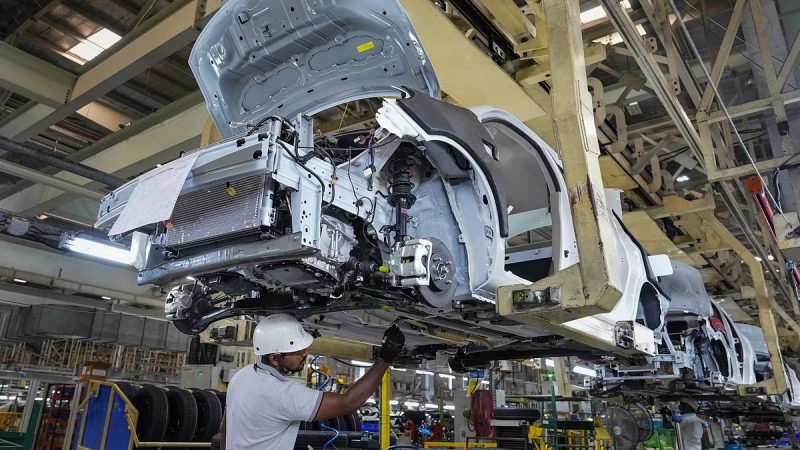
The manufacturing sector has experienced significant growth, and alongside it, temporary workers have seen a notable 5.6% annual salary hike between FY21 and FY24. This upward trend comes despite challenges posed by the pandemic and subsequent economic uncertainties, highlighting the industry’s resilience and the rising demand for skilled labor.
Why the Surge in Salaries Matters
This steady increase in wages underscores the critical role of temporary workers in manufacturing. With industries like automotive, electronics, and consumer goods expanding operations, the demand for a flexible and skilled workforce has risen sharply. As a result, employers are offering higher salaries to attract and retain talent, ensuring business continuity in a competitive environment.
Skill Shortages Drive Up Compensation

One of the key factors behind the salary hike is the ongoing shortage of skilled workers. Manufacturing processes are becoming increasingly digitized, requiring workers to possess specialized skills. Because of this, companies are compelled to provide competitive wages to bridge the talent gap and meet production targets.
Regional Variations Add Complexity
However, the rise in salaries isn’t uniform across the country. Urban manufacturing hubs such as Pune, Chennai, and Bengaluru have witnessed higher salary increments compared to smaller industrial towns. This disparity reflects differences in industrial activity, cost of living, and availability of skilled labor in these regions.
The Impact of Automation and Technology

Automation and technological advancements have also influenced the salary structure. While automation has streamlined processes, it has increased the need for tech-savvy workers capable of handling sophisticated machinery. Consequently, companies are investing more in their temporary workforce, as they play a crucial role in maintaining operations during peak demand periods.
Benefits for Both Employers and Workers

This trend benefits not just workers but also employers. Higher wages often translate into better job satisfaction and productivity among temporary workers. Moreover, companies that prioritize competitive pay scales gain a reputation for being employee-friendly, which can help attract top-tier talent in the future.
Challenges Still Persist
Despite the encouraging salary trends, challenges remain. Temporary workers often lack access to benefits like health insurance, paid leave, and job security. As the industry continues to grow, addressing these issues will be critical to ensuring sustainable workforce development.
A Positive Outlook for the Future
Looking ahead, experts predict continued growth in the manufacturing sector, which could further bolster wages for temporary workers. Government initiatives like “Make in India” and increasing foreign investments are likely to fuel demand for skilled labor, creating more opportunities and potentially higher pay scales.
Conclusion: A Promising Trend with Room for Improvement

The 5.6% annual salary hike for temporary workers in manufacturing during FY21-24 is a testament to the sector’s adaptability and growth. While this trend is a positive sign for workers, ensuring equitable benefits and addressing regional disparities will be essential for the industry’s holistic progress.


