

A Visionary Leader Departs
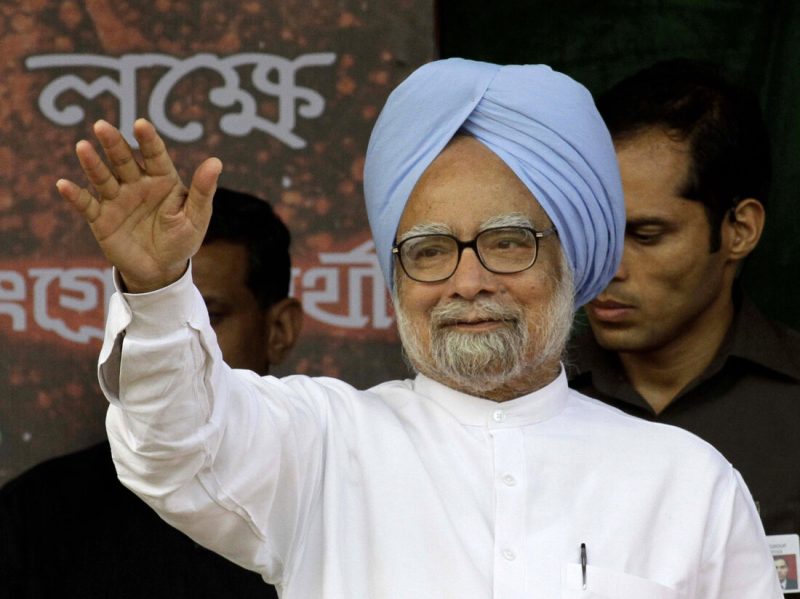
Manmohan Singh, India’s former Prime Minister and the architect of its transformative economic reforms, has passed away at the age of 92. Known for his humility, intellect, and quiet determination, Singh left an indelible mark on the nation. His passing marks the end of an era in Indian politics, but his contributions will remain etched in history.
Architect of India’s Economic Liberalization
It was in 1991, during his tenure as Finance Minister under Prime Minister P.V. Narasimha Rao, that Singh unveiled the sweeping economic liberalization policies that changed India’s trajectory. With the country on the brink of a financial collapse, Singh introduced reforms to open up India’s economy, including de-licensing industries, reducing trade barriers, and encouraging foreign investment. These decisions, though initially met with skepticism, laid the foundation for India’s emergence as a global economic powerhouse.
Leadership as Prime Minister
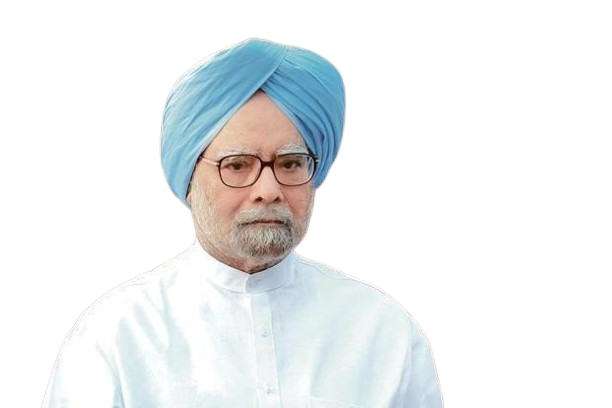
Singh served as the Prime Minister from 2004 to 2014, leading India through a period of rapid growth and significant global integration. Under his leadership, the country saw landmark initiatives like the Mahatma Gandhi National Rural Employment Guarantee Act (MGNREGA) and the Right to Information (RTI) Act. These measures not only spurred economic growth but also empowered millions of citizens, especially in rural areas.
A Life of Academic Excellence
Before entering politics, Singh had a distinguished academic career. Holding a doctorate in economics from Oxford University, he worked at institutions like the United Nations and the Reserve Bank of India. His scholarly expertise was evident in his approach to policymaking, where he often combined pragmatism with a deep understanding of global economics.
A Politician Who Shunned the Limelight
Despite holding the highest office in the land, Singh remained a man of few words. His understated style of leadership stood in stark contrast to the more flamboyant personalities in Indian politics. Yet, his calm demeanor and focus on delivering results earned him respect across party lines.
Controversies During His Tenure
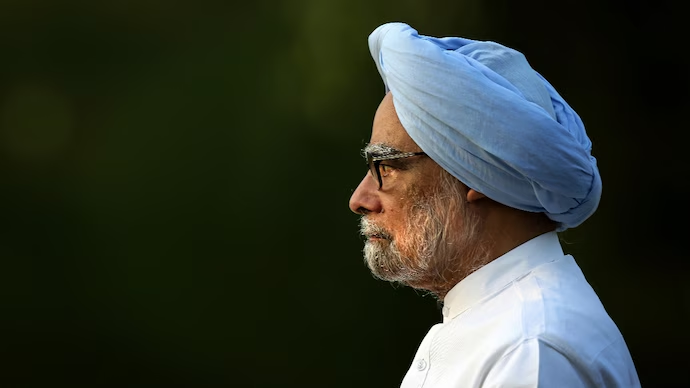
However, Singh’s tenure as Prime Minister was not without its challenges. Allegations of corruption and policy paralysis during his second term clouded his legacy. While critics accused him of being a “silent spectator,” his supporters argue that his integrity and dedication to the nation were never in doubt.
Tributes Pour In
As news of Singh’s passing spread, tributes poured in from across the political spectrum and beyond. Prime Minister Narendra Modi called him “a towering figure in Indian politics,” while Congress leader Sonia Gandhi hailed his contributions as “historic.” Global leaders, too, acknowledged his role in shaping modern India.
His Legacy in Indian Politics
Manmohan Singh’s legacy is a testament to the power of knowledge, hard work, and integrity in public service. While his leadership style may not have been conventionally charismatic, his policies profoundly shaped India’s socio-economic landscape.
A Final Farewell
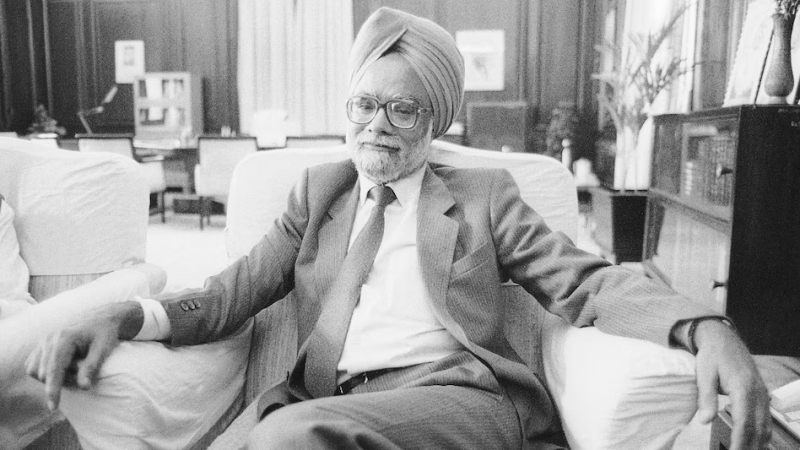
As the nation bids farewell to one of its most respected leaders, the void left by Manmohan Singh is deeply felt. Yet, his vision and ideals will continue to inspire generations, reminding them that progress, even in the face of adversity, is always achievable.