




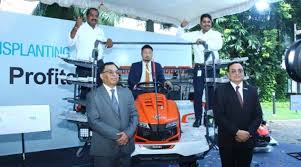
Escorts Kubota stands today as a powerful example of how two distinct work cultures—Indian and Japanese—can merge to create a high-performance, people-centric, and globally competitive workplace. As the company continues its transformation journey, it is redefining organizational culture through discipline, collaboration, innovation, and mutual respect.
A Cross-Cultural Partnership Built on Strong Foundations
The collaboration between Escorts and Kubota opened a new chapter that goes beyond business expansion. It represents a convergence of values, strengths, and mindsets.
Japanese work culture—known for precision, process discipline, and long-term vision—has blended naturally with India’s flexibility, creativity, and agility. This fusion has allowed the organization to evolve both structurally and culturally.
The Japanese Principles That Are Shaping Workplace Transformation
Japanese leadership practices have influenced several aspects of operations, including:
1. Kaizen (Continuous Improvement)
Employee involvement in problem-solving and ongoing process improvement has become a core part of everyday functioning. Teams are empowered to identify issues and propose solutions proactively.
2. Genchi Genbutsu (Go and See)
Managers and decision-makers encourage field visibility. Instead of relying purely on reports, leaders visit shop floors, customer locations, and project sites to understand real-time challenges.
3. Quality at the Source
Greater emphasis is placed on eliminating errors at the point they occur, reducing rework and increasing operational efficiency.
The Indian Cultural Strengths That Complement Japanese Values
While adopting Japanese systems, Escorts Kubota continues to embrace the strengths of Indian organizational behavior:
1. Agility and Adaptability
Indian teams excel at finding practical solutions quickly—especially valuable in a global, fast-moving market.
2. Strong Relationship-Building
India’s people-first approach supports cohesive teamwork, employee bonding, and smoother collaboration across departments.
3. Creative Problem-Solving
Indian employees bring versatility and innovative thinking that balance Japanese structure with fresh perspectives.
Creating a High-Performance Hybrid Culture
The blend of Indian and Japanese work values has led to a new cultural identity that strengthens performance and employee engagement. Key changes include:
- More structured processes combined with flexible execution.
- A stronger focus on quality, with an agile approach to market needs.
- Increased transparency, clarity, and accountability in communication.
- Hybrid leadership styles that encourage both discipline and innovation.
This hybrid model has not only improved operational excellence but has also helped cultivate a more collaborative and growth-oriented work environment.
Employee Experience and Workforce Transformation
Escorts Kubota is investing in HR transformation, leadership development, and skill enhancement. Employees benefit from structured learning programs, exposure to global work standards, and opportunities for cross-cultural engagement.
The company’s culture now encourages:
- Respect and humility
- Long-term career development
- Ownership mindset
- Team-driven achievements
These values foster a workplace where individuals feel valued and empowered.
Conclusion

Escorts Kubota’s cultural evolution showcases the power of global collaboration. By blending Japanese discipline with Indian adaptability, the organization has created a workforce that is efficient, innovative, and future-ready.
This Indo-Japanese partnership sets a benchmark for companies worldwide looking to build strong, diverse, and unified cultures.