




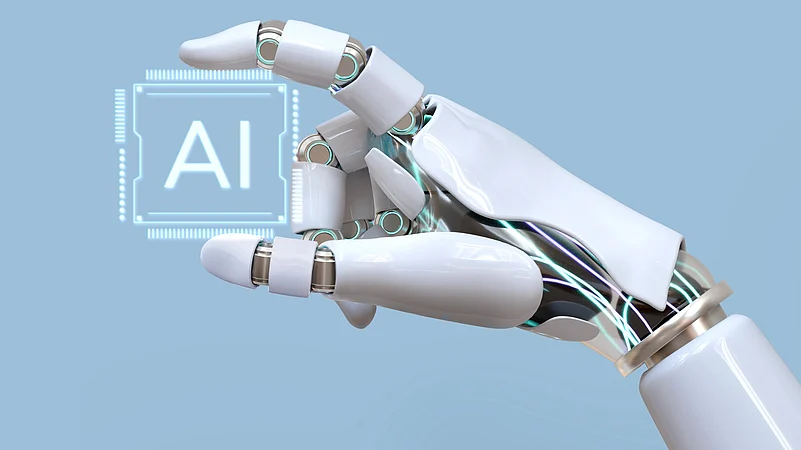
Artificial Intelligence (AI) is emerging as the most transformative technological platform shift in human history, with the potential to fundamentally reconfigure every job, workflow, and industry, according to Cisco. The company believes that AI will not merely enhance existing systems but completely redefine how work is designed, executed, and delivered across the globe.
A Once-in-a-Generation Technology Shift
Cisco compares the rise of AI to earlier breakthroughs such as the internet and cloud computing—but on a much larger scale. Unlike previous technologies that focused on connectivity or storage, AI brings decision-making, automation, and intelligence directly into workflows. This shift marks a move from tools that support human effort to systems that actively collaborate with humans.
From software development and customer support to healthcare, manufacturing, finance, and HR, AI is expected to reshape roles, responsibilities, and productivity models across sectors.
Every Job Will Evolve, Not Disappear
While concerns around job displacement continue to dominate conversations, Cisco emphasizes that AI will reconfigure jobs rather than eliminate them entirely. Routine and repetitive tasks will increasingly be automated, allowing employees to focus on higher-value, strategic, and creative work.
Roles will evolve to include skills such as:
- Working alongside AI-driven tools
- Interpreting AI-generated insights
- Managing and governing intelligent systems
- Applying human judgment, ethics, and creativity where machines fall short
This evolution will require large-scale upskilling and reskilling initiatives across organizations.
Workflows Will Be Built Around Intelligence
One of the biggest changes AI will bring is the redesign of workflows themselves. Instead of humans moving data between systems, AI will automate decision-making, predict outcomes, and optimize processes in real time.
For example:
- HR teams will use AI for talent matching, workforce planning, and predictive attrition analysis
- IT teams will rely on AI-driven network management and cybersecurity threat detection
- Sales and marketing workflows will be powered by AI-led personalization and forecasting
These intelligent workflows will enable faster decisions, reduced costs, and improved efficiency.
Infrastructure and Security Take Center Stage
Cisco highlights that the success of AI adoption depends heavily on strong digital infrastructure. High-performance networks, secure cloud environments, and robust data governance frameworks will be critical to support AI at scale.
At the same time, AI introduces new security and ethical challenges. Organizations will need to ensure responsible AI use, protect sensitive data, and maintain transparency in AI-driven decisions.
The Competitive Divide Will Widen
According to Cisco, companies that adopt AI early and strategically will gain a significant competitive advantage. Those that delay risk falling behind as AI-powered organizations move faster, operate smarter, and deliver better customer experiences.
This divide will not be limited to businesses alone—entire economies and workforces will feel the impact based on how quickly they embrace AI-driven transformation.
Preparing for an AI-First Future
Cisco stresses that leadership, policymakers, and organizations must act now to prepare for an AI-first world. Key priorities include:
- Investing in digital and AI-ready infrastructure
- Reskilling employees at scale
- Redesigning jobs and workflows around AI collaboration
- Establishing ethical and governance frameworks
AI is no longer a future concept—it is rapidly becoming the foundation of how work gets done.
Conclusion

AI represents a historic turning point, redefining not just technology but the very nature of work itself. As Cisco points out, every job, workflow, and organization will be reconfigured by this shift. The challenge ahead is not whether AI will change the world of work—but how prepared businesses and workers are to adapt, evolve, and thrive in this new era.

