




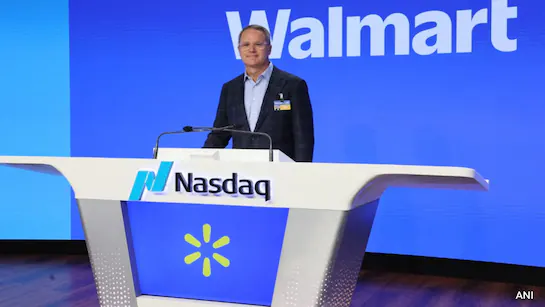
The massive gap between executive pay and average worker salaries has once again come under the spotlight, as reports reveal that Walmart CEO Doug McMillon earns approximately ₹2,475 crore annually. What has shocked many is the comparison that McMillon makes the average American’s yearly salary in just about 20 hours, and even earns $1,563 during a single daily commute.
A Stark Pay Comparison
Walmart, one of the world’s largest employers, has millions of workers across the globe, many of whom earn hourly wages. While McMillon’s compensation package reflects his role in steering a retail giant, the contrast between top leadership pay and employee earnings has reignited discussions around income inequality.
According to reported estimates, the average American earns roughly $60,000 annually. In contrast, Walmart’s CEO compensation — including salary, bonuses, stock awards, and incentives — translates into earnings that far exceed what most workers will make in their entire lifetime.
What Makes Up the CEO’s Pay?
Executive compensation at global corporations like Walmart typically includes:
- Base salary
- Performance-based bonuses
- Stock options and equity awards
- Long-term incentive plans
These components are often justified by boards as rewards for leadership, shareholder value creation, and long-term company performance. However, critics argue that such pay structures increasingly favor top executives while wage growth for frontline employees remains modest.
The Bigger Debate: Fair Pay vs Performance
Supporters of high executive compensation argue that leading a multinational corporation with millions of employees, complex supply chains, and global operations requires exceptional skill and accountability. They believe such responsibility justifies premium pay.
On the other hand, labor advocates and economists highlight that disproportionate pay gaps can:
- Lower employee morale
- Increase turnover
- Widen economic inequality
- Fuel public distrust in corporate leadership
The debate becomes even more intense in companies like Walmart, where a large part of the workforce depends on hourly wages and benefits.
Growing Scrutiny on Corporate Pay Structures
Globally, governments, investors, and employees are pushing for greater transparency in executive compensation. Concepts such as pay ratio disclosures, ESG-linked incentives, and fair wage commitments are gaining traction, forcing corporations to rethink how they balance leadership rewards with workforce well-being.
Final Thoughts
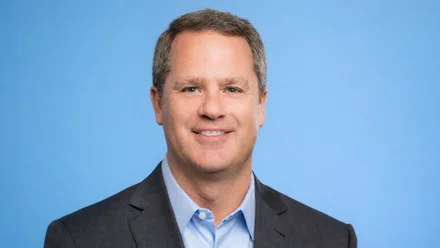
Doug McMillon’s reported earnings are not just a reflection of individual success but a symbol of the broader conversation around modern capitalism and wage disparity. As corporations continue to grow in scale and influence, the pressure to align executive pay with inclusive growth and fair labor practices is only expected to increase.
Whether this gap narrows in the future will depend on policy changes, corporate governance reforms, and how strongly employees and society continue to demand pay equity.


