




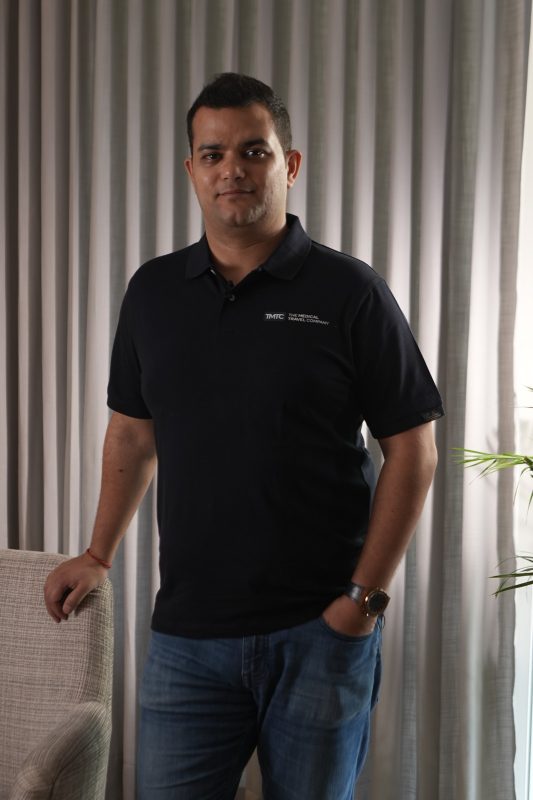
By Ankit Mehrotra, Co-Founder, TMTC
What the Future of Work Really Looks Like
If you ask me what the future of work looks like, I won’t start with AI, automation, or even the shifting preferences of Gen Z.
I’ll start with something that is far more fundamental—a truth most organisations realise only when it’s too late:
Talent goes where it is valued. But it stays where it is cared for.
A Lesson From the 2008 Financial Crisis
My own understanding of this began in 2008. I was sitting in a London investment bank as the financial crisis unfolded. Strategies collapsed, markets panicked, and everyone was running on fumes. They were anxious, burnt out, and fearful of getting sick.
That day, something became very clear:
The future of work isn’t built on tools. It’s built on access—to health, to agency, and to support.
The AI Wave and the Question No One Asks
Fast forward to today, and we are living through the loudest AI wave in history. Every boardroom conversation is about productivity, automation, and 10x efficiency.
But there’s a question global HR leaders rarely get to ask loudly enough:
What is the value of 10x productivity if your people wait 6–10 weeks to see a doctor?
You cannot build a high-performance culture on top of a health-compromised workforce.
It’s like building a Ferrari and refusing to fuel it.
The Real Talent Shortage: Access, Not Skills
Across the UK and several Western markets, the talent shortage isn’t because people lack skills.
It’s because they lack access:
- Access to timely healthcare
- Access to preventative care
- Access to physical and mental wellbeing that enables performance
- Access to systems that keep them thriving, not just surviving
Delayed healthcare has quietly become the newest bottleneck in workforce productivity.
Why India Is the World’s Most Underrated Advantage
And this is where India can become the world’s most underrated unfair advantage.
I will say it again:
India is the Tesla of surgery. Efficient, advanced, accessible, and shockingly affordable.
Our surgeons perform more procedures annually than many of their Western counterparts do in an entire career. They work with cutting-edge robotics, AI-driven diagnostics, and globally benchmarked surgical precision. Outcomes match—and often even exceed—Western standards.
Healthcare as a Future-of-Work Platform
So, when Sahil and I built The Medical Travel Company, we weren’t building a “medical tourism company.”
We were building a future-of-work platform disguised as healthcare.
Because when a corporate leader can fly to India, get a world-class procedure done in 72 hours, and return to life (and work) stronger—that’s not healthcare.
That’s empowerment.
That’s talent retention. That’s reduced burnout risk, sustainable productivity, and a wellbeing strategy that actually works.
Productivity With Heart
For employers, this means fewer long-term absences, faster recoveries, and a retention strategy that actually protects their most valuable asset: people.
That’s productivity with heart.
AI will undoubtedly change how we work. But global healthcare access will change why we work, how long we can work, and how confidently people can build their careers.
The Organisations That Will Win the Next Decade
The organisations that win the next decade will be those that:
- Treat health as a competitive advantage
- Extend wellbeing beyond borders
- See global healthcare access as part of their HR strategy
- Understand that a healthy workforce is a strategic asset, not a CSR initiative
The future will belong to people who refuse to be limited by geography—and to organisations that enable them.
Your doctor no longer needs to live in your postal code.
Your health no longer needs to be tied to local waitlists.
Your productivity no longer needs to depend on a system struggling to cope.
Healthcare should move with you—and not hold you back.
And that future is already here.
We simply need to be bold enough to choose it.


