




Understanding Gen Z’s Unique Workplace Preferences

Gen Z, the newest generation entering the workforce, brings fresh perspectives and distinct expectations. They value flexibility, personalization, and a strong sense of purpose in their work environment. Unlike previous generations, Gen Z prioritizes technology-driven solutions that streamline workflows and provide actionable insights. Recognizing this shift is essential for designing workplace tools that resonate with their needs.
Why Traditional Workplace Analytics Fall Short
Traditional workplace analytics often focus on metrics like attendance and output, which may not capture the holistic needs of Gen Z employees. Because this generation thrives on continuous feedback and a sense of belonging, conventional systems often fail to engage them effectively. Moreover, outdated tools lack the real-time adaptability that Gen Z expects from modern technology.
The Role of AI in Transforming Workplace Analytics
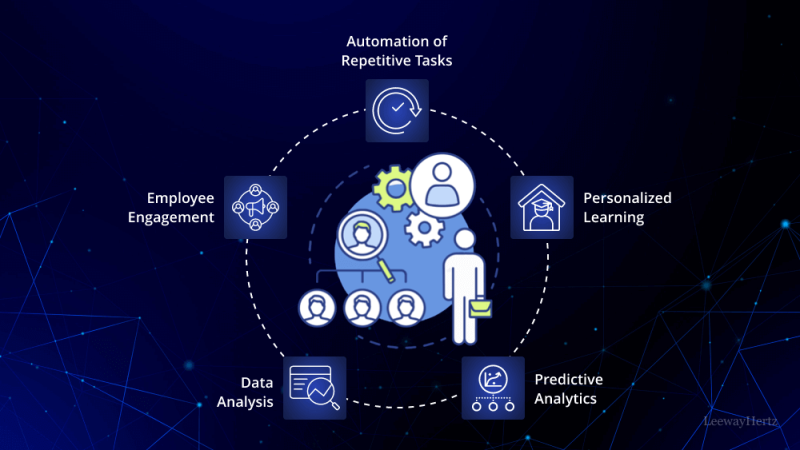
Artificial intelligence offers the capability to bridge the gap between expectations and reality. AI-powered tools can analyze vast datasets, identify trends, and offer personalized recommendations. For instance, using AI to evaluate work habits and suggest productivity improvements aligns with Gen Z’s desire for self-improvement and efficiency. Additionally, these tools can adapt dynamically, ensuring relevance in ever-evolving work scenarios.
Personalization: A Key Factor for Gen Z Engagement
Because Gen Z values individualization, workplace analytics must offer tailored insights rather than generic reports. AI enables this by learning from individual preferences and behavior. For example, personalized dashboards that display relevant performance metrics or suggest optimal work schedules empower employees to take control of their productivity.
Fostering Collaboration Through AI-Driven Insights
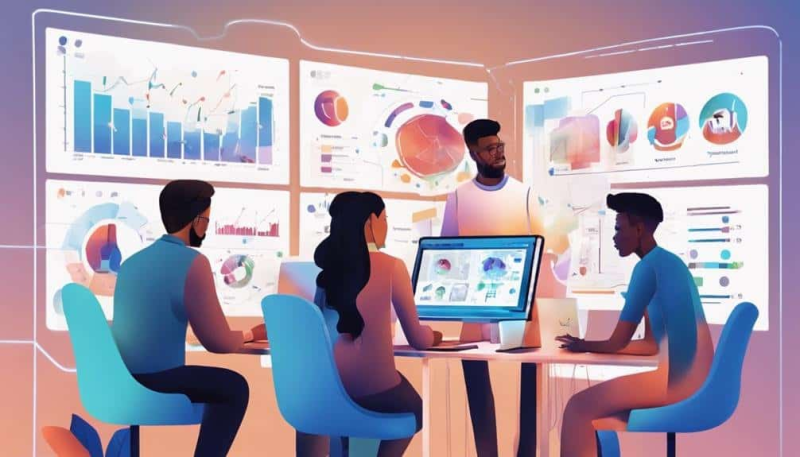
Collaboration is another critical aspect of workplace dynamics for Gen Z. AI-powered tools can analyze team interactions, identify strengths, and highlight areas for improvement. As a result, organizations can foster stronger, more cohesive teams. Furthermore, AI can provide recommendations for matching employees with complementary skills, enhancing collaboration and overall productivity.
Supporting Mental Well-Being with AI Solutions
Mental health is a significant concern for Gen Z, making workplace well-being initiatives crucial. AI-powered workplace analytics can monitor stress levels through patterns in productivity and engagement. By identifying early signs of burnout, organizations can implement timely interventions, ensuring a healthier and happier workforce.
Ensuring Transparency and Trust in AI-Driven Systems
While AI provides numerous benefits, it’s essential to maintain transparency in its implementation. Gen Z is deeply concerned about data privacy and ethical practices. Clearly communicating how data is collected, analyzed, and used builds trust and encourages adoption. Additionally, incorporating feedback loops ensures that AI systems evolve to meet user expectations effectively.
Adapting to Remote and Hybrid Work Models
As remote and hybrid work arrangements become the norm, AI-powered workplace analytics can provide valuable insights into these setups. By analyzing productivity trends and identifying areas for improvement, organizations can optimize workflows. Consequently, this ensures that remote teams remain connected and efficient, aligning with Gen Z’s preference for flexible work options.
The Future of AI-Powered Workplace Analytics
The integration of AI in workplace analytics is only the beginning. As these tools continue to evolve, they will become increasingly intuitive and user-focused, catering specifically to the dynamic needs of Gen Z. Investing in these systems not only supports employee satisfaction but also drives long-term organizational success.
In conclusion, leveraging AI-powered workplace analytics to meet Gen Z’s unique expectations is a strategic imperative. By prioritizing personalization, collaboration, and transparency, organizations can create environments where this tech-savvy generation thrives.


