




Zomato’s QIP Move Ahead of Swiggy’s IPO
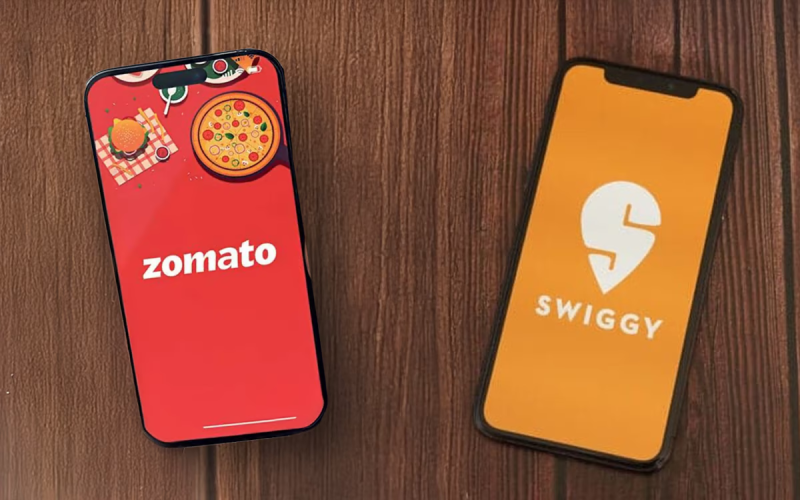
The battle for dominance in the Indian quick commerce space is heating up, and Zomato’s latest Qualified Institutional Placement (QIP) move has added fuel to the fire. With Swiggy on the brink of launching its Initial Public Offering (IPO), Zomato’s decision to raise funds through QIP is not just a strategic move but also a signal that the quick commerce sector is about to witness fierce competition.
The Growing Quick Commerce Market
The quick commerce market, which focuses on delivering groceries and essentials within minutes, has gained immense popularity in India. With more consumers turning to online platforms for their daily needs, companies like Zomato and Swiggy have capitalized on this trend. Because of the rapid adoption of e-commerce and increased internet penetration, the sector is expected to grow exponentially. Zomato’s QIP initiative comes at a crucial time when the market is ripe for disruption.
Zomato’s Strategic QIP Move

Zomato’s decision to opt for QIP ahead of Swiggy’s IPO demonstrates its ambition to solidify its position in the market. By raising fresh capital, Zomato can now invest in expanding its quick commerce vertical, Blinkit, and improve its overall operational efficiency. So, this move gives Zomato the financial cushion to compete with Swiggy and other emerging players in the space. The infusion of funds also helps Zomato gain the trust of institutional investors, a crucial factor in the upcoming market battle.
Why Swiggy’s IPO Is a Game Changer
Swiggy, on the other hand, has been preparing for its much-anticipated IPO. Like Zomato, Swiggy has also expanded its offerings beyond food delivery into the quick commerce space with Swiggy Instamart. The company is expected to use its IPO proceeds to strengthen its position in this sector and expand its services further. Therefore, Swiggy’s IPO could serve as a catalyst for rapid growth and further intensify the rivalry between the two giants.
Intensifying the Competition
The timing of Zomato’s QIP ahead of Swiggy’s IPO is no coincidence. Zomato is clearly gearing up for the competition that will follow Swiggy’s public debut. Because both companies are focusing on quick commerce, we can expect an aggressive battle for market share. Promotions, discounts, and quicker deliveries are likely to be at the forefront of this competition, benefiting consumers in the short term.
The Role of Technology in Quick Commerce
Both Zomato and Swiggy are heavily investing in technology to streamline their operations. For instance, they are leveraging artificial intelligence and machine learning to optimize delivery routes and reduce fulfillment times. Therefore, technological innovation will be key to determining which platform gains the upper hand in the quick commerce space. Like their food delivery models, both companies are banking on tech-driven solutions to enhance customer experiences and scale faster.
Impact on Consumers
For consumers, this intensifying competition between Zomato and Swiggy will likely result in better deals and faster deliveries. However, the flip side is that both companies could engage in a price war that may not be sustainable in the long run. Because the quick commerce space is still in its early stages, the next few months will reveal whether consumers can truly benefit from the fierce rivalry or if the companies will face financial strain.
What’s Next for the Quick Commerce Sector?
The quick commerce sector is rapidly evolving, and both Zomato and Swiggy are poised to be the major players. So, the key question is which company will emerge as the leader. While Zomato’s QIP gives it a head start in securing funds, Swiggy’s IPO could unlock a new wave of investments that propels it to the forefront of the industry. Both companies are likely to continue expanding into new verticals and enhancing their technological infrastructure to stay competitive.
Conclusion

In conclusion, Zomato’s QIP move ahead of Swiggy’s IPO is a strategic step that sets the stage for a fierce battle in the quick commerce sector. Because both companies are leveraging technology, raising capital, and focusing on expanding their offerings, the competition is bound to intensify in the coming months. Therefore, the quick commerce frenzy is far from over, and consumers can expect exciting developments in this space as the two giants fight for dominance.


