




In today’s diverse workplace, promoting employee well-being has become more than just a moral imperative—it’s a business necessity. With teams often composed of multiple generations, from Baby Boomers to Gen Z, organizations must adopt a flexible, inclusive approach to meet the unique needs of every age group. Offering accessible benefits is one of the most effective ways to bridge generational gaps and ensure that everyone feels valued and supported.
Understanding Generational Needs

Each generation in the workforce brings distinct perspectives, expectations, and challenges to the table. Baby Boomers, for instance, may prioritize retirement plans and healthcare benefits, while Millennials often value mental health resources and work-life balance. Similarly, Gen Z employees are increasingly drawn to wellness programs and career development opportunities. Because these differences impact what employees view as essential, companies need to consider generational preferences when designing benefit packages.
Why Accessibility Matters
Beyond just offering a range of choices, accessible benefits make sure that all workers, irrespective of their age, position, or situation, may readily take advantage of the programs provided. For instance, employees of various ages can prioritize their well-being by having remote access to virtual fitness classes or mental health therapy. Similarly, providing advantages in a variety of formats—such as mobile apps, in-person meetings, and online platforms—guarantees that no one is left behind. This inclusive strategy improves workplace culture and fosters trust.
Creating Customized Benefit Programs

So how can organizations cater to employees across generations? The answer lies in customization. Start by conducting surveys or focus groups to identify what matters most to your workforce. Based on the findings, you could provide wellness initiatives like mindfulness workshops for younger employees and chronic illness management programs for older workers. Transitioning from a “one-size-fits-all” mindset to tailored offerings allows companies to create programs that genuinely resonate with their teams.
Supporting Mental Health Across Generations
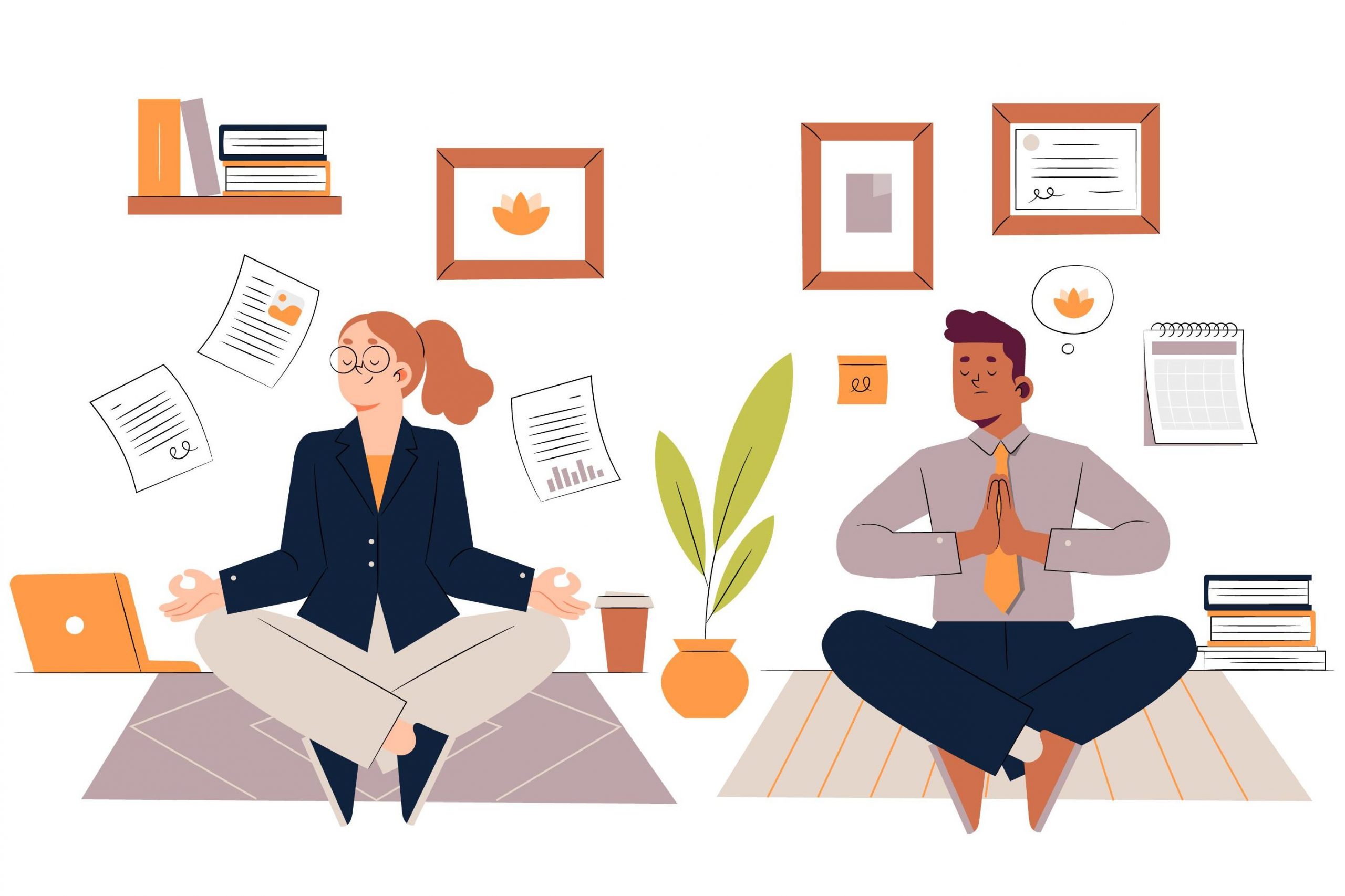
Employees of all ages are making mental health a higher priority, although their approaches may vary. While Baby Boomers may choose traditional in-person counseling, Millennials and Gen Z frequently favor apps and virtual sessions for treatment. Therefore, providing a variety of digital and in-person mental health tools can guarantee that everyone can access and benefit from them.
The Role of Communication in Accessibility

Even the most well-designed benefit programs will fall short if employees aren’t aware of them. Communication is key to ensuring accessibility. Use diverse communication channels, like email campaigns, intranet portals, and workplace posters, to inform employees about available benefits. Regularly hosting workshops or webinars can also help employees from all generations understand how to access and make the most of these programs.
Measuring Impact and Making Adjustments
Promoting well-being is an ongoing process, not a one-time initiative. So, it’s essential to measure the impact of your benefit programs and make adjustments based on employee feedback. Use metrics like participation rates, employee satisfaction surveys, and health outcomes to assess effectiveness. When organizations consistently adapt their offerings to meet evolving needs, they demonstrate a genuine commitment to employee well-being.
The Business Case for Accessible Benefits
Investing in accessible benefits not only improves employee morale and productivity but also strengthens retention. When employees feel their needs are understood and supported, they’re more likely to stay loyal to the company. Moreover, organizations that prioritize well-being often gain a competitive edge in attracting top talent.
A Holistic Approach to Employee Well-Being

Ultimately, encouraging the well-being of workers across generations necessitates a careful and inclusive strategy. Through acknowledging the distinct requirements of every age, providing easily accessible and tailored benefits, and encouraging candid communication, companies may establish a positive work atmosphere. Because when workers are happy, businesses are happy, and everyone benefits.