


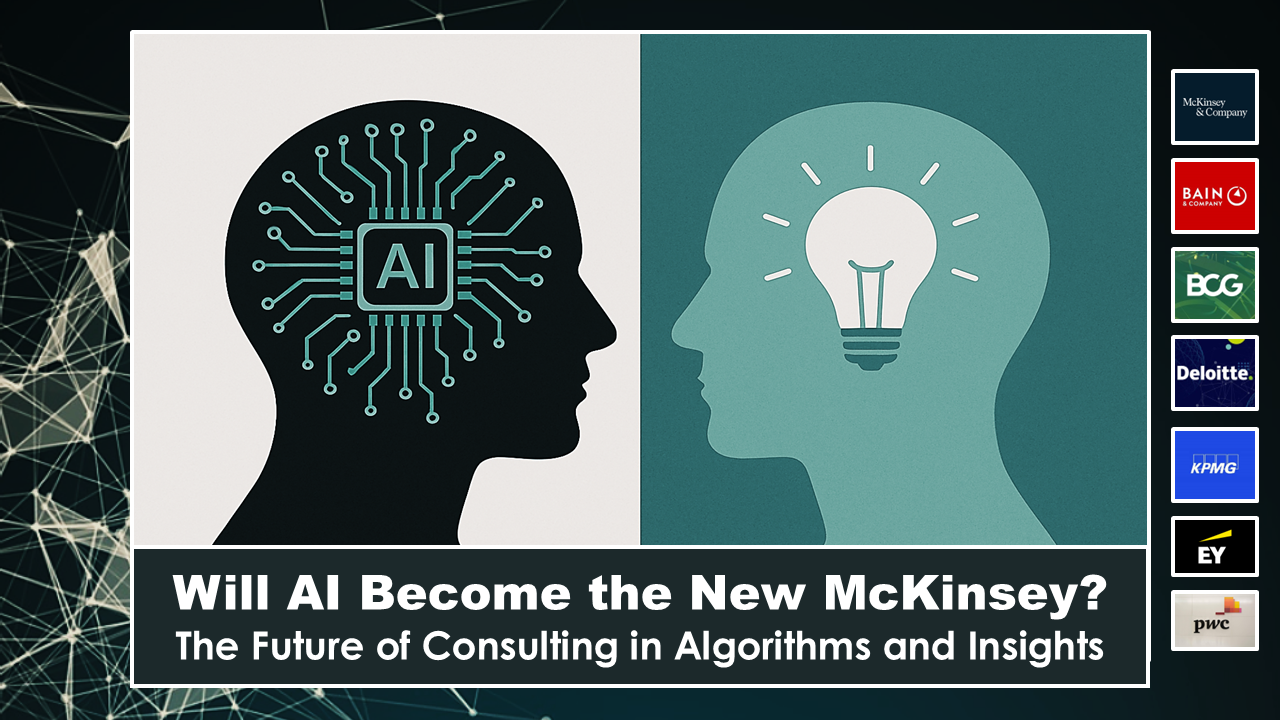
McKinsey Slashes About 200 Tech Roles, Increasing Reliance on AI
In a major strategic shift, global consulting firm McKinsey & Company has cut approximately 200 technology-related jobs as it accelerates the adoption of artificial intelligence (AI) across its operations. The move reflects an industry-wide transition where automation and advanced AI tools are reshaping traditional job roles and business processes.
A Shift Toward an AI-Driven Operating Model
McKinsey’s decision aligns with its long-term vision of incorporating AI to enhance productivity, streamline workflows, and deliver faster insights to its global clients. As AI-powered tools become more capable, the firm is increasingly integrating them into functions that previously required larger human teams.
This shift is part of a broader trend where organizations across the consulting and tech landscape are optimizing their structures to remain competitive in the rapidly evolving digital economy.
Why the Tech Job Cuts Happened
The reduction of around 200 tech positions primarily impacts roles that can now be automated or supported more efficiently by AI. According to industry observers, several factors contributed to this decision:
- Automation of repetitive and technical tasks
- Greater reliance on generative AI for analysis, research, and reporting
- Overall restructuring to reduce operational costs
- Evolving client expectations for faster, AI-supported insights
This restructuring allows McKinsey to reallocate resources toward innovation, analytics, and client-advisory functions where human expertise remains essential.
AI as a Strategic Priority for McKinsey
McKinsey has been a vocal advocate for AI transformation, advising companies globally on how to adopt and scale AI responsibly. By integrating AI deeper into its internal systems, the firm aims to:
- Improve efficiency and turnaround time
- Enhance accuracy in data processing
- Offer AI-driven solutions to clients
- Strengthen its competitive edge in consulting and analytics
The firm is expected to continue investing in AI tools, platforms, and partnerships to further expand its capabilities.
Impact on the Workforce and Industry
While the job cuts may raise concerns among employees and job seekers, McKinsey emphasized that AI adoption also creates new opportunities. Many organizations are seeing a shift in demand from traditional IT roles to positions focused on:
- AI supervision and management
- Data analytics and engineering
- Prompt engineering and automation strategy
- AI ethics, governance, and regulatory compliance
Experts note that the consulting industry may see similar restructuring efforts as AI becomes integral to day-to-day client service delivery.
Looking Ahead
McKinsey’s decision to eliminate around 200 tech roles marks a significant milestone in the consulting sector’s transition toward AI-powered operations. As companies across industries accelerate digital transformation, AI will continue to redefine skills, roles, and workforce strategies.
For professionals, the message is clear: staying relevant in this new era will require continuous upskilling, adaptability, and a strong understanding of AI technologies.


