



For decades, JK Cement operated on traditional processes that relied heavily on paper-based systems. As one of India’s leading cement manufacturers with a legacy spanning over 50 years, the organization carried a massive amount of historical data—employee records, operational documents, compliance files, and process scripts. While these systems had served the company well, they also created bottlenecks as the business continued to expand across geographies.
To keep pace with a rapidly evolving digital landscape and enhance operational efficiency, JK Cement embarked on a bold transformation journey: migrating its entire 50-year data ecosystem from paper files to cloud systems.
Why the Transformation Was Needed
Over time, manual documentation and traditional record-keeping created several challenges:
- Time-consuming access to files across departments
- Physical storage limitations and costly maintenance
- Higher chances of data damage, misplacement, or duplication
- Difficulty in ensuring real-time collaboration
- Lack of data security and centralized visibility
As the company expanded, these challenges became more pronounced—making a digital migration not just an upgrade but a necessity.
The Shift from Paper to Cloud: A Strategic Move
JK Cement’s digital transition was planned with a focus on modernization, efficiency, and long-term scalability. The process involved:
1. Digitizing Historical Records
Thousands of documents were carefully scanned, categorized, and converted into digital formats. A structured digital archive ensured that even the oldest files were searchable and securely stored.
2. Implementing Cloud-Based Data Management
By adopting cloud systems, JK Cement eliminated the need for physical file rooms. The cloud provided:
- Centralized storage
- Real-time access from any location
- Automatic backups and version control
- Enhanced security protocols
3. Streamlining Workflows with Automation
Routine tasks that once required manual signatures, approvals, or paperwork were replaced with automated, cloud-enabled workflows—improving speed and eliminating delays.
4. Improving Collaboration Across Teams
With all data stored in the cloud, interdepartmental teams could collaborate seamlessly, access updated files instantly, and make faster decisions.
Benefits of the Digital Transformation
The shift to cloud systems has brought transformative advantages for JK Cement:
✔ Faster Data Access
Employees can retrieve any document within seconds—no more time lost pulling files from cabinets.
✔ Enhanced Data Security
Cloud encryption and controlled access ensure that critical data is safe from unauthorized usage or physical damage.
✔ Reduced Operational Costs
The company saved significantly on storage spaces, maintenance, and manual labor.
✔ Improved Business Agility
The cloud infrastructure empowers the company to scale operations smoothly and adapt quickly to market changes.
✔ Sustainability & Eco-friendly Operations
Eliminating paper-based processes aligns with green initiatives and reduces environmental impact.
A Legacy Reinvented for the Future
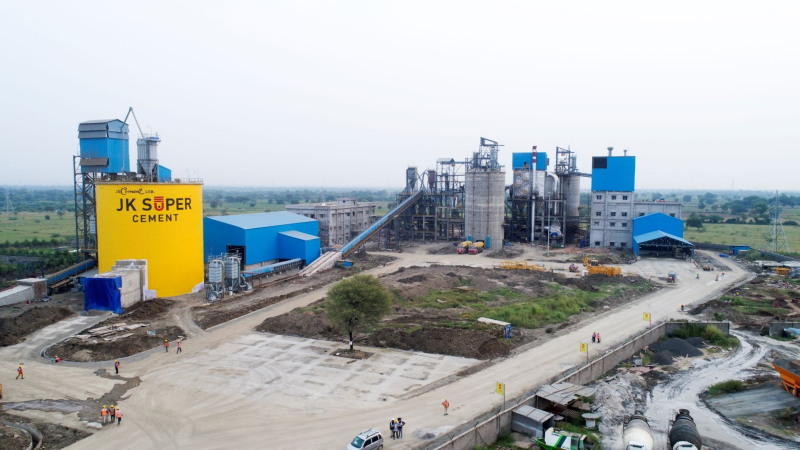
JK Cement’s digital leap demonstrates how traditional businesses can modernize without compromising their heritage. By upgrading its 50-year-old data ecosystem, the company has not only enhanced efficiency but also positioned itself strongly for future innovation.
This transformation is a powerful reminder that embracing digital technologies isn’t just about adopting new tools—it’s about building an adaptable, resilient, and future-ready organization.


