



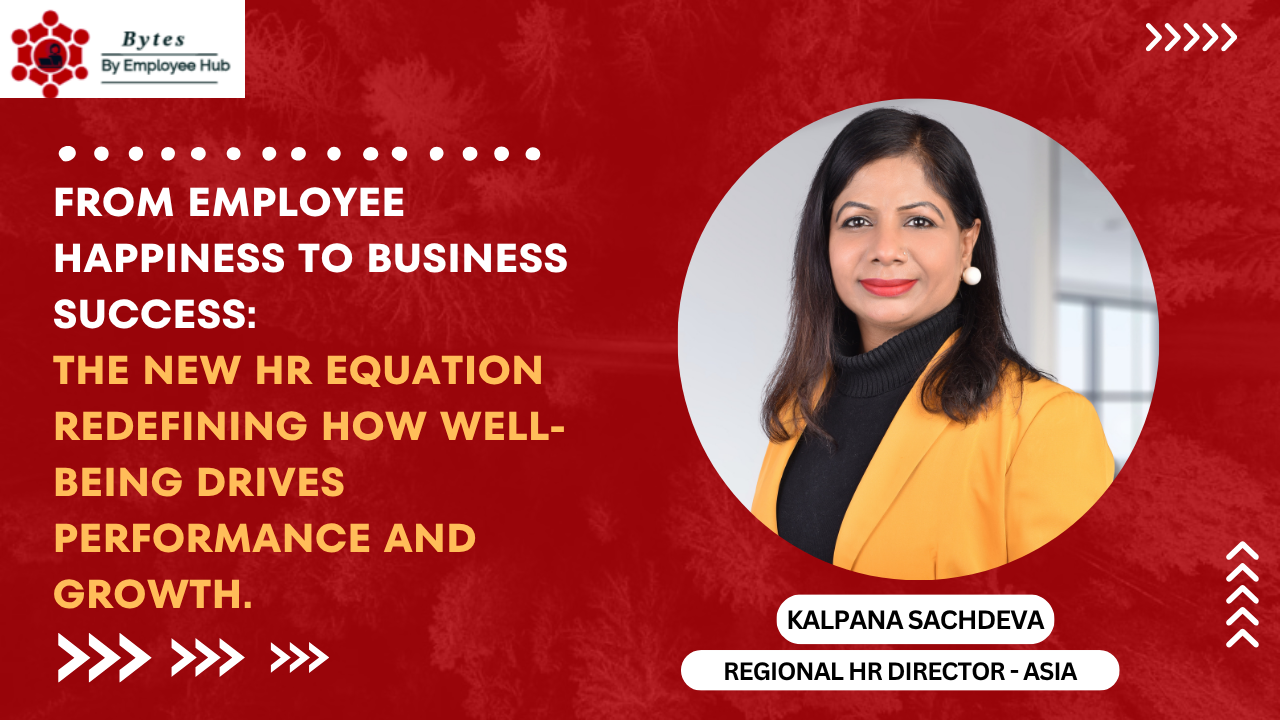

In today’s evolving corporate world, the link between employee happiness and business success has never been clearer. As Kalpana Sachdeva highlights, organizations are beginning to understand that productivity, innovation, and retention all stem from one key source — a genuinely happy workforce. The modern HR approach is shifting from policies and processes to people and purpose, redefining how companies view success from the inside out.
The Shift: From Managing Employees to Enabling People
Traditional HR models were largely administrative — focused on compliance, payroll, and performance metrics. But the post-pandemic era has redefined the workplace. Today, employees seek meaning, balance, and emotional well-being alongside career growth.
Forward-thinking companies are responding by building human-centric workplaces — ones that prioritize empathy, flexibility, and belonging. When employees feel valued and supported, they don’t just work harder — they work smarter, collaborate better, and stay longer.
The Science Behind Happiness at Work
Research continues to show that happy employees are up to 20% more productive, with companies boasting high engagement outperforming their peers in profitability and customer satisfaction.
Happiness at work isn’t about perks like pizza Fridays or free coffee. It’s about psychological safety, recognition, and trust — elements that allow employees to thrive and take ownership. HR leaders are increasingly focusing on mental well-being programs, personalized learning paths, and purpose-driven initiatives that align company goals with individual fulfillment.
Building the New HR Equation
The new HR equation goes beyond compensation and career growth. It blends four key elements:
- Emotional Well-Being – Creating an environment where employees feel safe, supported, and heard.
- Meaningful Work – Aligning tasks with personal and professional purpose.
- Recognition and Growth – Encouraging continuous learning and celebrating effort, not just outcomes.
- Inclusive Culture – Ensuring that every employee feels seen, valued, and respected.
This approach turns HR from an operational function into a strategic driver of business success, directly impacting performance, innovation, and brand reputation.
Case in Point: The Ripple Effect of Employee Happiness
Organizations that invest in happiness witness measurable results — lower attrition, higher engagement, and stronger customer loyalty. Employees who feel connected to their company’s purpose naturally become brand ambassadors, driving both culture and business growth.
When HR leaders prioritize happiness, they’re not just managing people — they’re nurturing a culture of shared success.
Conclusion: Happiness as a Business Strategy

The future of HR is not about managing human resources; it’s about cultivating human experiences. The connection between happiness and success is no longer abstract — it’s a proven business strategy.
As the new HR equation unfolds, one thing is clear: when employees thrive, businesses flourish.


