




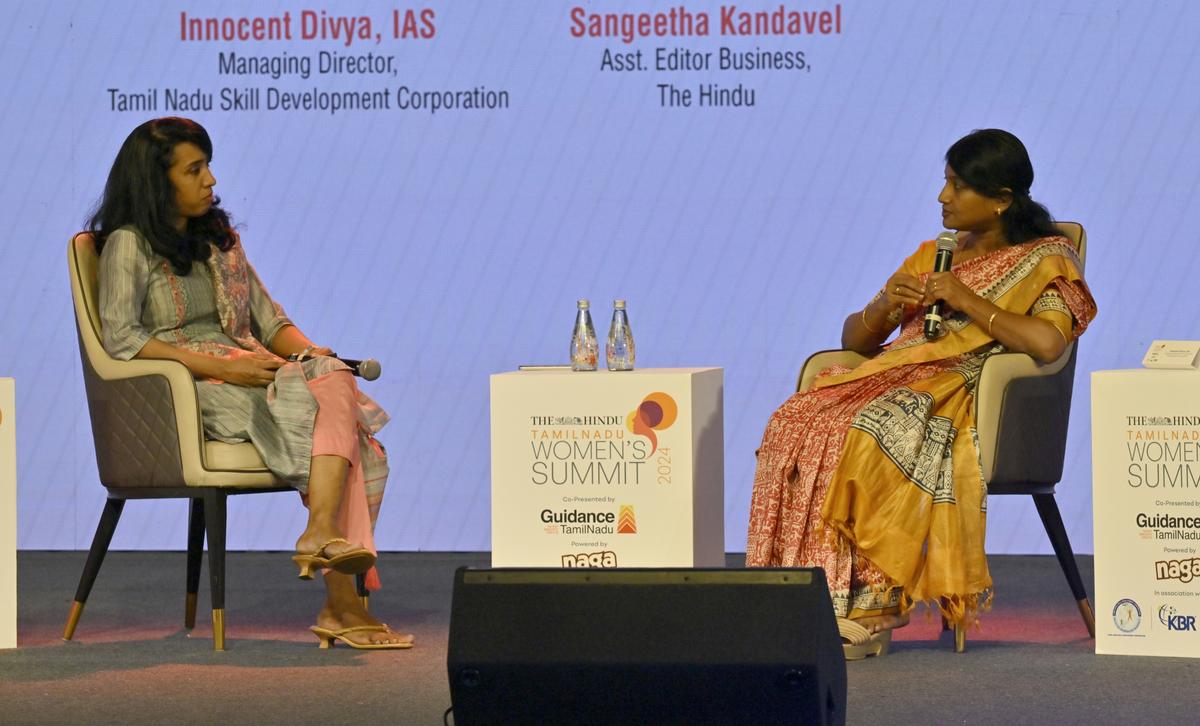
India’s workforce landscape is changing rapidly, and with it comes an urgent need to strengthen skill development across industries. As the country aims to stay competitive in a global market driven by technology and innovation, one state is emerging as a powerful example of how targeted skilling initiatives can create real impact. Tamil Nadu has taken a strategic, structured, and forward-thinking approach to bridging India’s most critical skill shortages—setting a model for the rest of the nation.
A Proactive Approach to Skilling
Tamil Nadu has long been known for its strong industrial base, robust education ecosystem, and progressive labour policies. However, what sets the state apart today is its focused effort to align workforce skills with evolving industry needs.
Government bodies, training institutions, and industry leaders have collaborated to design skilling programs that are practical, demand-driven, and future-ready. These efforts target skill gaps across sectors such as manufacturing, electronics, IT services, automotive, logistics, and emerging technologies.
Addressing India’s 11 Most Critical Skill Gaps

According to leading workforce studies, India faces 11 major skill shortages—including digital literacy, advanced manufacturing skills, employability skills, data analytics, and soft skills. Tamil Nadu’s initiatives have been designed to directly address these gaps through:
1. Enhanced Vocational Training Infrastructure
The state has expanded its ITIs, polytechnic institutions, and skill development centers, ensuring accessibility from urban hubs to rural regions.
2. Industry-Integrated Curriculum
Educational programs are being updated in partnership with industries, enabling students to gain hands-on experience and job-aligned capabilities.
3. Technology-Driven Skilling
Digital platforms and e-learning systems are being used to empower learners with AI, automation, robotics, data science, and other emerging tech skills.
4. Focus on Employability Skills
Communication, problem-solving, teamwork, and workplace readiness training are now embedded across several programs.
5. Targeted Programs for Women and Youth
Special initiatives encourage participation from women, rural youth, and marginalized communities, ensuring inclusive development.
The Power of Public–Private Partnerships
One of Tamil Nadu’s biggest strengths is its ability to build meaningful collaborations. The state has brought together corporations, training partners, academic institutions, and government agencies to create a seamless skilling ecosystem. This approach has resulted in:
- Higher placement rates
- Stronger employer trust
- Better alignment with real-world job demands
- Long-term sustainability of skill development programs
Leading organizations in automotive manufacturing, electronics, IT, and textiles have already partnered with the state to build training pipelines that directly address workforce shortages.
Why Tamil Nadu’s Model Matters for India
Tamil Nadu’s skilling framework demonstrates that impactful workforce development requires a combination of policy support, industry involvement, and a learner-centric approach. By bridging India’s key skill shortages, the state is contributing significantly to national employment, economic growth, and global competitiveness.
As India continues to push toward a more skilled, future-ready workforce, Tamil Nadu serves as a blueprint—proving that strategic planning, collaboration, and innovation can truly transform the skilling landscape.
Conclusion

Tamil Nadu’s strategic push to close India’s key skill shortages highlights the state’s commitment to creating an empowered, job-ready workforce. With continued investment, partnerships, and future-focused initiatives, Tamil Nadu is not just addressing today’s skill gaps—it is preparing India for tomorrow’s opportunities.


