




Walmart and Amazon Lead Retail Transformation Through AI Innovation

The retail industry has seen unprecedented shifts over the past decade, largely driven by advancements in technology. Walmart and Amazon, two of the largest players in the global retail market, are at the forefront of this transformation, using artificial intelligence (AI) to reshape how consumers shop and businesses operate. Their innovative approaches to integrating AI into their operations are not only enhancing customer experiences but also redefining retail’s future.
The Role of AI in Retail Transformation
Artificial intelligence has rapidly become a cornerstone for operational efficiency and customer engagement in retail. Companies like Walmart and Amazon recognize AI’s potential to streamline processes, personalize shopping, and improve decision-making. For example, they leverage AI for predictive analytics, inventory management, and customer service, making the shopping experience more efficient and tailored to individual needs. So, AI is not just a tool for cost-cutting but a powerful enabler of retail evolution.
Walmart’s AI-Powered Supply Chain Revolution
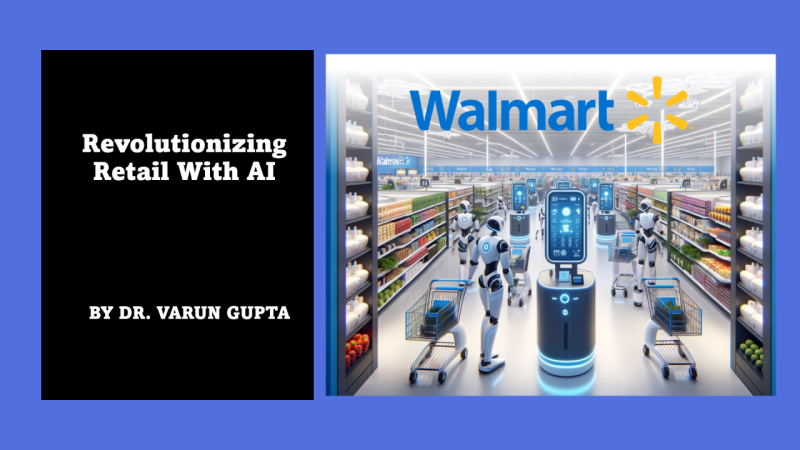
Walmart has focused extensively on integrating AI into its supply chain to enhance efficiency and reduce costs. Because supply chains are the backbone of retail operations, Walmart has invested heavily in AI-driven tools for inventory forecasting and demand planning. Through initiatives like these, Walmart minimizes stockouts and ensures products are available when customers need them. Moreover, with AI-driven forecasting models, Walmart can better predict shopping trends, allowing it to stay ahead of seasonal and regional demand.
Amazon’s Advanced Personalization and Recommendation Systems
Amazon has long been known for its innovative use of AI in personalizing customer experiences. For instance, its recommendation engine is one of the most sophisticated in the industry, using AI to suggest products based on browsing and purchasing history. Because of these advanced algorithms, Amazon can offer highly relevant product suggestions, leading to increased customer engagement and sales. Therefore, Amazon’s personalized recommendations highlight how AI can create a seamless and personalized shopping journey.
The Use of AI-Powered Robots in Warehousing
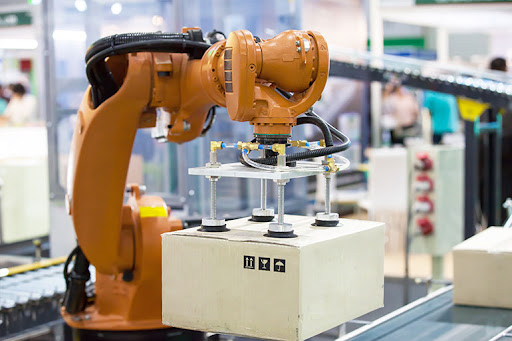
Both Walmart and Amazon are utilizing AI-powered robots in their warehouses, revolutionizing how orders are fulfilled. Walmart, for example, has implemented robotic systems that help with inventory tracking and shelf management. Similarly, Amazon uses its AI-driven robotic units to efficiently pick and pack items for delivery. These innovations not only speed up the fulfillment process but also reduce human error, making operations more reliable. So, AI-powered robotics is transforming warehousing by creating faster, more efficient workflows.
AI in Customer Service: Chatbots and Virtual Assistants
Customer service is another area where AI has made a significant impact. Walmart and Amazon both use AI-powered chatbots and virtual assistants to handle customer inquiries quickly and efficiently. For instance, Amazon’s Alexa enables customers to shop through voice commands, while Walmart’s chatbots assist with customer questions, order tracking, and returns. These AI-driven tools offer immediate assistance, ensuring that customer service remains consistent and available. Because of this, customers experience fewer delays and more convenient interactions.
Data-Driven Decision Making
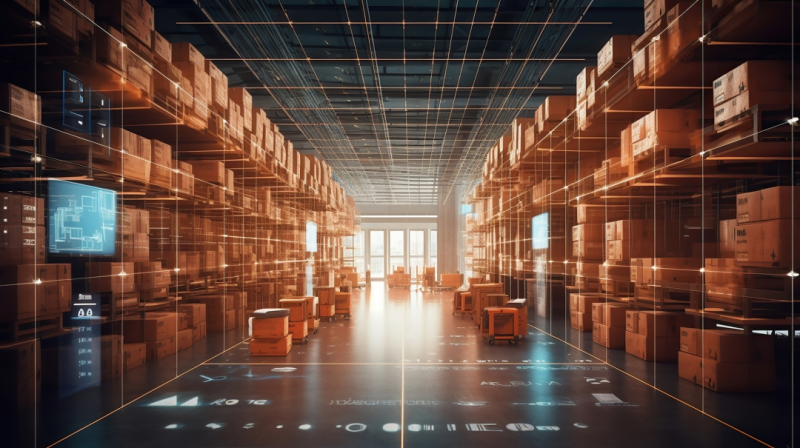
AI’s ability to analyze vast amounts of data has given both Walmart and Amazon a competitive advantage in decision-making. For example, Walmart uses AI for data analysis to optimize pricing and promotions, ensuring that prices are competitive while still maintaining profit margins. Amazon, on the other hand, leverages AI to analyze shopping patterns, helping to refine product listings and enhance customer experience. Therefore, by using data-driven insights, these retail giants can make informed decisions that align with customer needs and market trends.
AI for Sustainable Retail Practices
As sustainability becomes a growing concern, both Walmart and Amazon are using AI to make their operations more eco-friendly. Walmart has introduced AI-powered initiatives to optimize energy use and reduce waste in its stores. Similarly, Amazon’s AI tools help reduce carbon emissions by optimizing delivery routes and consolidating shipments. So, by focusing on sustainability, these companies demonstrate how AI can contribute to environmentally responsible retail practices.
Challenges and Ethical Considerations in AI Implementation

While AI offers numerous benefits, it also raises ethical questions and challenges, especially around data privacy and job displacement. For example, the use of AI in customer data analysis requires careful handling to ensure privacy. Walmart and Amazon must navigate these concerns while balancing innovation with ethical responsibility. Because of these challenges, both companies are investing in robust data protection measures to address privacy issues while continuing to leverage AI.
The Future of AI in Retail
As Walmart and Amazon continue to push the boundaries of AI, the future of retail looks promising. With further advancements in AI, such as natural language processing and computer vision, the possibilities for enhancing customer experience and operational efficiency are virtually limitless. Therefore, as AI technology evolves, Walmart and Amazon are well-positioned to lead the next wave of retail innovation, setting a precedent for others in the industry.
In conclusion, Walmart and Amazon’s commitment to AI innovation underscores the transformative power of technology in retail. By harnessing AI for everything from personalized shopping to sustainable practices, they are paving the way for a new era of customer-centric and efficient retail operations. So, it is clear that AI will continue to play a pivotal role in shaping the future of retail, with Walmart and Amazon leading the charge.


